Armenia Versus Serbia Two Flags: Key Differences Explained
Flags tell stories. They carry the weight of history, identity, and national pride. At first glance, the flags of Armenia and Serbia might seem like they belong to the same family. Both feature horizontal tricolors with red and blue bands. But look closer, and you will find meaningful differences that reflect each nation's unique journey. Understanding these distinctions matters whether you are a traveler, a designer, a student, or simply someone who loves learning about the world.
The Visual Similarities That Spark Confusion
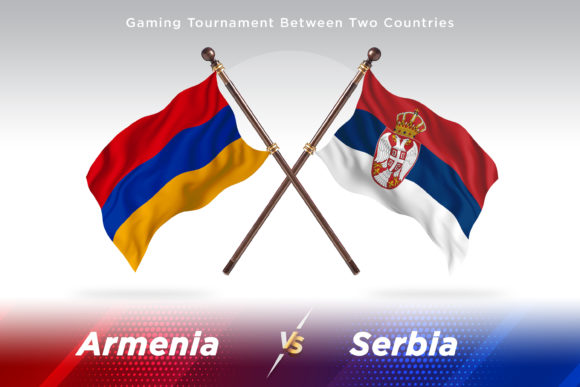
It is easy to see why people compare Armenia versus Serbia two flags side by side. Both use three horizontal stripes. Both include red on top and blue in the middle. The proportions are nearly identical. If you glance quickly, your brain registers the same basic pattern. This visual overlap creates a natural curiosity. You wonder: are they related? Did one influence the other? The answer is more nuanced than a simple yes or no.
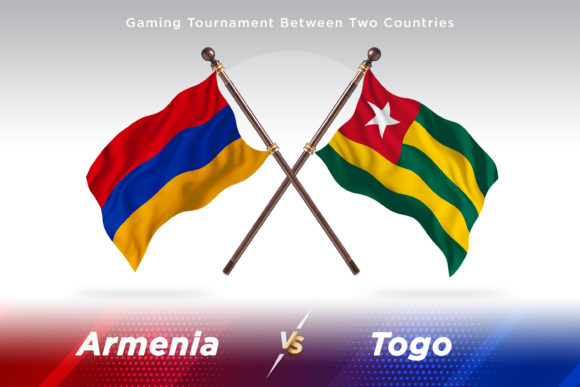
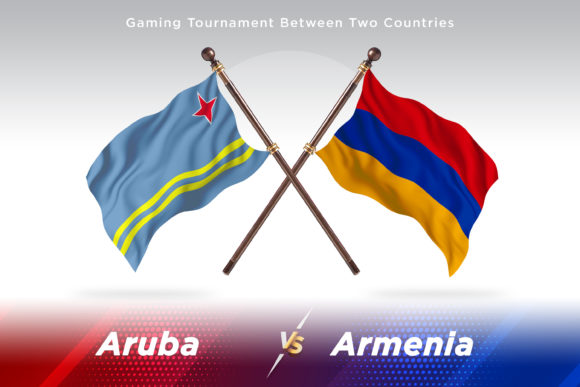
Armenia's flag consists of red, blue, and orange. Serbia's flag uses red, blue, and white. That third stripe is the quickest way to tell them apart. But there is more beneath the surface. Serbia's flag also features a coat of arms on the left side, while Armenia's flag remains unadorned. These elements change everything about how each flag communicates its national story.
Armenia's Red, Blue, and Orange
The Armenian tricolor was officially adopted in 1990, though its roots go back to the short-lived First Republic of Armenia in 1918. The red represents the Armenian highlands and the blood shed by Armenian soldiers throughout history. Blue symbolizes the sky and the peaceful aspirations of the people. Orange, often described as the color of apricot, reflects the country's natural beauty, creativity, and the hardworking spirit of its citizens. Apricots have deep cultural significance in Armenia, so this color choice feels especially grounded in everyday life.
Serbia's Red, Blue, and White
Serbia's flag dates back to the 19th century and draws from the Pan-Slavic colors that many Eastern European nations share. Red stands for the struggle for freedom and the blood of patriots. Blue represents the sky, hope, and the ideals of liberty. White symbolizes peace, purity, and the bright future the nation strives toward. The coat of arms, featuring a white double-headed eagle and a cross with four firesteels, adds a layer of historical depth that connects modern Serbia to its medieval empire.
When you study Armenia versus Serbia two flags in terms of symbolism, you see that both nations use color to express sacrifice, hope, and national character. But the specific shades and the presence of the coat of arms create distinct identities.
Why Someone Might Compare These Flags
There are several practical reasons why comparing Armenia versus Serbia two flags comes up in real life. Travelers planning a trip to the Caucasus or the Balkans often want to recognize flags at airports, border crossings, or cultural festivals. Designers and marketers working on international projects need to use the correct flag for branding, presentations, or product packaging. Educators teaching geography or political science use flag comparisons to spark discussions about history, identity, and regional alliances.
Flag enthusiasts, known as vexillologists, study the design principles behind each tricolor. They analyze proportions, color codes, and the rules governing proper use. For someone in this hobby, the subtle differences between Armenia and Serbia offer a rich case study in how similar color palettes can tell completely different stories.
Entrepreneurs and small business owners who source products from either country may also benefit from understanding the flags. If you are importing Armenian brandy or Serbian textiles, knowing the national symbol shows respect for your partners and helps you communicate more effectively across cultures.
Travel and Cultural Events
Imagine you are attending a multicultural festival in your city. You see two booths side by side, both displaying red and blue tricolors. One has orange at the bottom, the other has white with a shield and eagle. Knowing the difference helps you engage with the right community. You can compliment an Armenian booth on their apricot sweets or ask a Serbian vendor about their slivovitz. These small gestures build genuine connections.
For travelers, the stakes are a bit higher. Misidentifying a flag in a foreign country can feel awkward or even disrespectful. Learning the distinction before you arrive shows cultural awareness. It also helps you navigate signage, official buildings, and national holidays with confidence.
Digital and Graphic Design
If you create content for social media, websites, or print materials, using the wrong flag is a common but avoidable mistake. A blogger writing about Eastern European travel might accidentally use Serbia's flag to illustrate an article about Armenia, or vice versa. Readers notice these errors, and they can undermine your credibility. Knowing the visual cues helps you double-check your work quickly. Look for the orange stripe and no emblem for Armenia. Look for the white stripe and coat of arms for Serbia.
Freelance designers who take on projects for embassies, cultural organizations, or diaspora communities need to get every detail right. Color codes matter. The exact shade of blue on Armenia's flag differs slightly from Serbia's. The coat of arms must be positioned correctly. Attention to these details sets professionals apart from amateurs.
Educational Settings
Teachers and professors can use the comparison of Armenia versus Serbia two flags to introduce broader concepts in their classrooms. The flags open discussions about the Ottoman and Austro-Hungarian empires, the formation of nation-states after World War I, and the role of symbols in building national identity. Students remember these lessons better when they have a concrete visual to anchor the information.
Homeschooling parents might use flag comparisons as part of a geography or history unit. Asking children to spot the differences between similar flags builds observation skills. Explaining the meaning behind each color introduces critical thinking about how nations choose to represent themselves.
Respect Official Protocols
Both Armenia and Serbia have laws governing how their flags should be displayed. The flag should never touch the ground, should be illuminated when flown at night, and should be treated with dignity. When using either flag in digital or print projects, avoid distorting the proportions or altering the colors. Standard proportions for both flags are 1:2, meaning the width is twice the height. Following these guidelines shows respect for the nations and their symbols.
Check for Updated Versions
Serbia's flag has undergone minor changes in recent decades, particularly regarding the coat of arms. The current version was standardized in 2004 and reaffirmed after Montenegro's independence in 2006. Armenia's flag has remained consistent since 1990. Always verify you are using the most current official version, especially for commercial or educational materials.
Understand Regional Sensitivities
Flags can evoke strong emotions. For diaspora communities, the flag represents a connection to a homeland they may have never visited. For others, the flag is a symbol of recent conflicts or political divisions. When discussing Armenia versus Serbia two flags, keep the tone respectful and factual. Avoid making assumptions about political alignments or historical grievances. Focus on the design, symbolism, and cultural context rather than modern controversies.
Use Reliable Sources for Color Accuracy
If you need exact color codes for a design project, consult official government sources or reputable vexillology databases. Pantone codes for Armenia's flag are approximately 485 C for red, 286 C for blue, and 1495 C for orange. Serbia's flag uses roughly 193 C for red, 286 C for blue, and a specific white that matches the legal definition. These small details matter when producing professional work.
The Deeper Appeal of Flag Comparisons
Beyond the practical reasons, comparing Armenia versus Serbia two flags appeals to something fundamental in human nature. We love patterns. We love noticing similarities and differences. It is the same instinct that makes us compare paintings, recipes, or languages. Flags are compact visual systems that encode centuries of history into a few simple shapes and colors. Decoding them feels rewarding.
For hobbyists, this comparison opens the door to a whole world of vexillology. You start with Armenia and Serbia, then notice that Croatia, Slovakia, Slovenia, and the Netherlands all use red, white, and blue in different arrangements. You begin to see patterns that connect regions, historical periods, and cultural movements. What starts as a simple question turns into a lifelong interest.
For professionals, the ability to distinguish between similar flags signals attention to detail and cultural competence. In a globalized economy, these soft skills matter. A marketer who can correctly identify the flags of all former Yugoslav republics demonstrates a level of expertise that clients notice. A travel writer who gets the details right earns trust from readers.
Final Observations on the Two Flags
Armenia versus Serbia two flags offers more than a trivia question. It is a gateway to understanding two proud nations with distinct histories and bright futures. Armenia's orange stripe tells a story of creativity and natural abundance. Serbia's white stripe and eagle tell a story of medieval glory and resilience. Both flags deserve to be recognized accurately and appreciated fully.
Whether you are studying for a quiz, designing a brochure, or planning your next adventure, take a moment to look closely at each flag. Notice the orange. Notice the eagle. Remember that flags are not just symbols. They are invitations to learn something new about the world and the people who call it home.