Aruba vs Senegal: Two Flags Compared
Flags are more than colorful pieces of fabric. They carry identity, history, and meaning. When you look at the flags of Aruba and Senegal side by side, you notice striking similarities and meaningful differences. Understanding what each flag represents can sharpen your eye for design, deepen your cultural awareness, and even inform decisions in branding or content creation. This comparison explores both flags in detail and explains why knowing their stories matters beyond trivia.
The Stories Behind the Designs
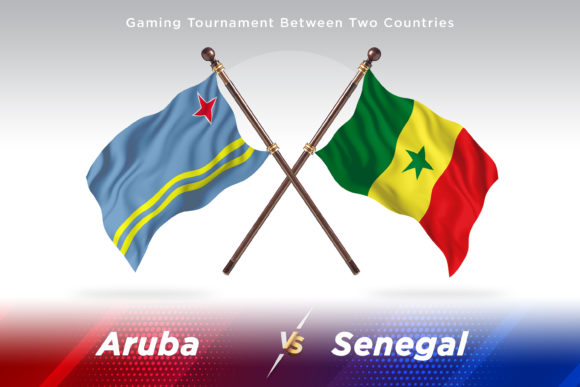
The flag of Aruba features a light blue background with two narrow horizontal yellow stripes near the bottom and a four-pointed red star with a white border in the upper left corner. The blue represents the sky and the sea that surround the island. The yellow stripes stand for abundance and the island’s golden landscapes, while the red star symbolizes the four points of the compass and the diverse origins of Aruba’s people. Adopted in 1976, the flag reflects independence, warmth, and unity.
Senegal’s flag uses three vertical stripes of green, yellow, and red, with a green five-pointed star at the center. The colors come from the Pan-African movement. Green represents hope and natural resources, yellow stands for wealth and artistic expression, and red symbolizes sacrifice and the struggle for independence. The central star signifies unity and spiritual aspiration. The flag was adopted in 1960 after Senegal gained independence from France.
Both flags use yellow and red, but the arrangement and meaning differ significantly. Aruba’s flag leans into maritime and island imagery, while Senegal’s flag connects to continental African identity and post-colonial hope. Recognizing these narratives helps you appreciate how symbols communicate values at a glance.
Why Flag Comparisons Matter Beyond Geography
Comparing flags like those of Aruba and Senegal might seem like a niche activity, but it has practical value for several audiences. Marketers and brand strategists can learn how color and shape convey trust, energy, or heritage. Educators and bloggers can use flag analysis to teach symbolism, history, or design principles in a visual way. Freelancers and creators working on international projects benefit from understanding how cultural symbols resonate differently across audiences.
For example, if you are designing a logo for a travel brand that covers both the Caribbean and West Africa, you need to know which colors and patterns carry local meaning. The yellow in Aruba’s flag suggests sunshine and abundance, while yellow in Senegal’s flag also implies wealth but within a Pan-African context. Using these colors carelessly could weaken your message. A thoughtful comparison helps you make intentional creative decisions.
Design Elements and What They Communicate
The structural differences between these two flags are instructive. Aruba uses a horizontal layout with a canton design, similar to many national flags with a colonial history. Senegal uses a vertical tricolor, which is common among former French colonies. This distinction alone tells you something about each country’s political history and cultural ties.
The star in each flag also carries different weight. Aruba’s star has four points and is outlined in white, giving it a compass-like feel that suggests direction and welcome. Senegal’s star has five points and sits at the center in green, representing unity and a forward-looking spirit. The number of points is not arbitrary; it encodes deeper meaning. For designers, these choices illustrate how small variations in shape can change the entire tone of a symbol.
Color usage also differs in saturation and proportion. Aruba’s blue is light and airy, matching the Caribbean aesthetic. Senegal’s green is deeper and more saturated, evoking vegetation and growth. If you are a content creator selecting a color palette for a project related to either region, these nuances offer authentic reference points.
Who Benefits Most from Understanding These Flags
Travel bloggers and tourism professionals gain directly from knowing these flags because they often appear in promotional materials, guides, and social media content. Mixing up symbols or using them in the wrong context can confuse your audience or come across as careless. A blogger writing about island getaways might compare Aruba to other Caribbean destinations, but understanding the flag helps ground that content in local identity.
Small business owners who source products from or market to these regions also benefit. If you sell handmade goods from Senegal or run a tour company in Aruba, featuring the flag in your branding can build trust and signal authenticity. However, you need to use it correctly. Misplacing the star or using the wrong shade of blue undermines your credibility.
Educators and homeschool parents can use this comparison as a teaching tool. Flag studies combine geography, history, art, and civics in one visual exercise. Comparing Aruba and Senegal gives students a concrete example of how different cultures express similar values through different design languages. It also opens discussions about colonialism, independence, and national identity in a way that feels concrete rather than abstract.
Practical Applications in Real-World Contexts
Consider a graphic designer creating a poster for a multicultural festival that includes both Caribbean and West African exhibits. Knowing the flag of Aruba uses a light blue background and a red star with white outlines while Senegal uses a vertical tricolor with a green star helps the designer avoid visual clashes. Choosing complementary colors that honor both flags can make the poster feel cohesive rather than chaotic.
For a marketer running a social media campaign targeting diaspora communities, using the correct flag emoji in posts matters. A post about Aruban heritage that accidentally includes the flag of Senegal could alienate your audience. Small errors like that damage trust. Taking time to learn the flags ensures your communication feels respectful and intentional.
Entrepreneurs building a brand around travel or cultural products can also draw inspiration from flag symbolism. The compass-like star on Aruba’s flag might inspire a logo that emphasizes direction, discovery, or hospitality. The Pan-African colors in Senegal’s flag can inform a brand identity rooted in heritage, resilience, and creativity. Understanding why these symbols work helps you apply similar logic to your own projects.
Considerations When Comparing Symbols
While comparing flags is useful, it has limits. Flags are official national symbols, and using them in commercial contexts may require sensitivity or permission in some cases. A flag is not a logo you can adapt freely. If you plan to incorporate elements of a flag into a design, consider abstracting the symbolism rather than copying the exact layout. This approach respects the original meaning while giving you creative freedom.
Also keep in mind that flags evolve. A design that works today might change if a country updates its symbolism. Staying current with official sources ensures your content remains accurate. For example, if Senegal ever modified its flag, any article or design referencing the old version would look dated. If you work in content creation or publishing, building a habit of verifying flag details before publication is a simple way to maintain quality.
Not every project needs a flag comparison. If your work does not touch on national identity, travel, or cultural branding, you may not need this level of detail. But for anyone whose work involves international audiences, visual communication, or cultural storytelling, knowing the difference between Aruba and Senegal’s flags adds depth to your efforts. It helps you avoid mistakes, make smarter design choices, and communicate more effectively.
Understanding these two flags also encourages a broader habit of looking closely at symbols around you. The more you practice reading visual language, the better you become at creating content that resonates across borders. That skill benefits everyone from a freelance writer pitching a travel article to a marketing team launching a global campaign.