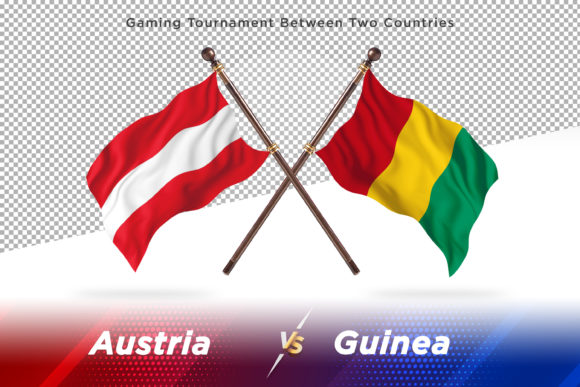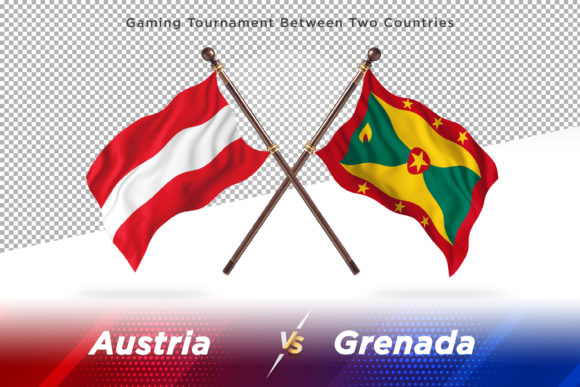
Austria vs Albania: Two Flags Compared
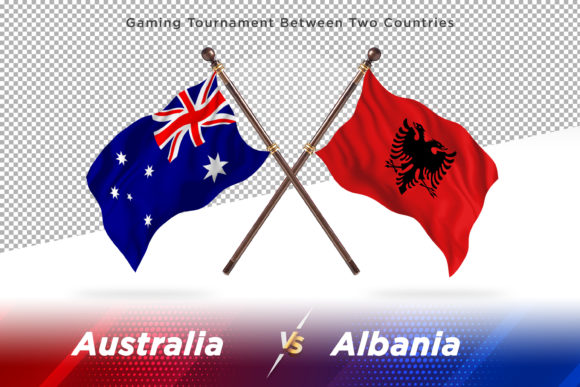
At first glance, the national flags of Austria and Albania tell very different stories. Austria’s flag uses three simple horizontal stripes of red, white, and red. Albania’s flag features a bold red field with a black double-headed eagle at the center. One is famously one of the oldest national flags in the world—dating back to the 13th century—while the other was adopted in the 20th century after independence from Ottoman rule. Both flags, however, represent deep national pride, rich history, and distinct cultural identities. Whether you are planning a trip, designing a project, or simply curious about world symbolism, understanding these two flags can offer practical and creative value.
What the Austria and Albania Flags Represent
The Austrian flag is a classic tricolor, with white symbolizing peace and the red standing for strength and bravery. Legend says Duke Leopold V of Austria fought so fiercely during the Crusades that his white tunic became drenched in blood, leaving only a white stripe under his belt. Whether or not you take the legend literally, the design is clean, recognizable, and easy to reproduce. Albania’s flag, by contrast, is far more dramatic. The double-headed eagle is a symbol of sovereignty and resilience, borrowed from the Byzantine Empire. The red background represents courage and sacrifice. For Albanians, the eagle is a powerful reminder of national unity and defiance against foreign rule.
Why Different Audiences Care About These Flags
Flags are more than fabric—they are tools for communication, identity, and design. Depending on your role, the Austria versus Albania comparison may serve very different purposes. Below, we explore what matters most to various groups.
Travelers and Tourists
If you are visiting Vienna or exploring the Albanian Riviera, knowing each flag helps you connect with local culture. Travelers often care about ease of recognition and reliability. Austria’s flag is frequently seen on government buildings, public transport, and airline tails. It is subtle—many people confuse it with other red-white-red banners. Albania’s flag is unmistakable. That black eagle grabs attention instantly. For a traveler, learning the flags means avoiding confusion at border crossings, identifying embassy buildings, or simply showing respect when buying souvenirs. A practical example: if you are a backpacker in the Balkans, being able to point out the Albanian flag on a coastal ferry dock shows cultural awareness and can open friendly conversations with locals.
Educators and Students
For a geography or history teacher, flags are a learning tool. Austria’s flag offers a lesson in European heraldry and medieval history. You can discuss how the Habsburg dynasty adapted the colors, or why the flag remained unchanged for centuries. Albania’s flag provides a gateway to Ottoman resistance, the rise of nationalism, and the legacy of Skanderbeg—the national hero whose seal inspired the eagle. For students, comparing the two flags reveals different storytelling techniques: Austria’s is understated and continuous; Albania’s is bold and revolutionary. An educator might ask students to compare design elements: simplicity versus complexity, horizontal versus vertical symbolism. Such exercises build critical thinking about how nations brand themselves.
Graphic Designers and Creatives
Color palette, balance, and symbolism matter deeply to designers. Austria’s flag uses a high-contrast red-white-red scheme that works well in digital and print media. It is flexible for branding, easy to scale, and legible at a distance. Albania’s flag presents a different set of design challenges—and opportunities. The double-headed eagle is intricate, requiring careful vectorization for logos or apparel. A designer working on a travel poster might use Austria’s clean stripes to convey order and modernity, while Albania’s eagle adds drama and heritage. For a creator developing a flag-themed infographic, the difference in visual weight means Austria’s flag works as a background element, whereas Albania’s demands center stage. Prioritize quality when reproducing Albania’s eagle—a poorly rendered version loses meaning and looks amateurish.
Business Owners and Marketers
If you run a small business that imports goods from Central Europe or the Balkans, flags can be part of your branding and presentation. A coffee roaster selling Austrian beans might use the flag on packaging to signal origin and tradition. That conveys commercial value—associating your product with a country known for order and Alpine charm. Albania’s flag is increasingly used by companies leveraging its growing tourism market. A resort in Saranda might feature the flag on its website to build trust. However, cost matters: printing a simple tricolor is cheaper and faster than producing detailed eagle logos on signage. Marketers should weigh speed of recognition versus emotional impact. Austria’s flag works quickly for a European audience; Albania’s flag makes a memorable statement but may need more explanation in global markets.
Flag Collectors and Hobbyists
For a hobbyist, the long-term usefulness of a flag is about historical accuracy and physical quality. Austrian flags are widely available in all sizes and materials—polyester for outdoor use or woven cotton for display. The cost is generally low. Albania’s flag, especially historical versions with the socialist emblem (1946–1992), are rarer and more collectible. A hobbyist might prioritize authenticity and condition. If you are building a collection of European flags, compare the two in terms of variety: Austria has only one significant variation (the state flag with the coat of arms), while Albania has undergone several flag changes in the 20th century. Knowing this helps you decide which era to focus on. For example, a beginner might start with modern official flags, while an experienced collector seeks older models with provenance.
Comparing Priorities: Which Matters More for Your Needs?
Choosing between these two flags—or understanding them side by side—depends heavily on your goal. Below is a breakdown of common priorities and how each flag measures up.
- Ease of use: Austria wins. Two colors, simple stripes, repeatable in any medium. Albania requires careful eagle reproduction.
- Cost: Austria is cheaper to print or purchase, especially for bulk orders. Albania’s detail raises manufacturing costs.
- Quality: Both can be produced well, but Albania’s flag requires higher quality control to avoid a blurry eagle.
- Flexibility: Austria adapts easily to patterns, textiles, and digital icons. Albania’s eagle works best as a centerpiece.
- Presentation: Albania’s flag is more dramatic for ceremonies or celebrations. Austria’s is professional and calm.
- Speed of recognition: Within Europe, Austria is moderately recognizable. Albania’s eagle is instantly identifiable globally due to uniqueness.
- Reliability (meaning): Both are stable symbols. Austria’s flag has remained nearly unchanged for centuries. Albania’s national flag has been consistent since 1992.
- Creativity: Albania inspires more creative interpretation—artists often stylize the eagle. Austria challenges designers to work within minimal constraints.
- Learning value: Both are rich in history, but Austria’s flag teaches about dynastic continuity, while Albania’s flag teaches about national rebirth.
- Commercial value: Austria’s flag suits premium branding in European contexts. Albania’s flag is valuable for niche tourism and diaspora marketing.
- Long-term usefulness: Austria’s timeless design is unlikely to change. Albania’s flag may evolve if political shifts occur, but the eagle motif is deeply ingrained.
How to Decide Which Flag Information Fits Your Project
If you are a blogger writing about European travel, you might use the Austria flag photo for a post about Vienna’s elegance, and the Albania flag for a post about rugged adventure. A freelancer creating a cultural infographic can highlight the striking contrast in design philosophies. An entrepreneur opening a shop selling international home décor could display both flags as wall art—Austrian for modern minimalists, Albanian for lovers of symbolism. The key is matching the flag’s visual language to the audience’s expectations. Beginners often prefer Austria’s simplicity, while experienced designers may gravitate toward Albania’s complexity as a challenge. Educators can use both to illustrate how flags encode national narratives differently.
Consider your own priorities. If you need a flag that is fast to produce and universally recognized in low-resolution screens, choose Austria. If you want a flag that sparks conversation and stands out in a crowded visual space, choose Albania. And if you are simply comparing them for curiosity, you now have a clearer picture of what each country values and projects.
Whether you are a small business owner planning an international event, a teacher preparing a lesson on European symbolism, or a hobbyist adding to your collection, the Austria versus Albania flag comparison offers practical insights beyond simple memorization. Flags are mirrors of identity—and understanding them helps you navigate culture, design, and history with greater confidence.