Azerbaijan Versus Belize Two Flags: Design & Symbolism Compared
Flags often serve as more than national symbols—they encode history, identity, and values in a visual format. When comparing Azerbaijan versus Belize two flags, the differences are striking, and the contrast offers practical insights for designers, educators, travelers, and anyone curious about how nations choose to represent themselves. Each flag tells a unique story, and understanding those stories can sharpen your visual literacy, inform creative projects, and even simplify decisions in branding or travel planning.
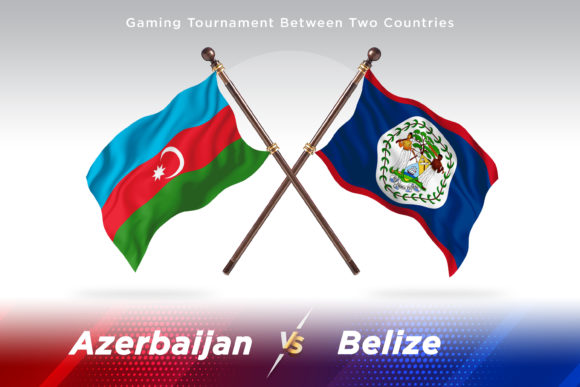
Azerbaijan’s flag features three horizontal stripes of blue, red, and green, with a white crescent and eight-pointed star centered on the red band. Belize’s flag, by contrast, uses a rich blue field with narrow red stripes at the top and bottom, and a prominent white circle containing a detailed coat of arms. Where one is minimal and symbolic, the other is intricate and narrative-rich. This fundamental difference makes the pair an excellent case study for anyone interested in flag design, cultural communication, or practical symbolism.
What Each Flag Communicates and Why It Matters
The Azerbaijan flag uses color and geometry to convey core national values. Blue represents Turkic heritage and the sky, red stands for progress and modernization, and green symbolizes Islam and the country’s natural landscape. The crescent and star are widely recognized Islamic symbols, while the eight points of the star are said to represent the eight Turkic peoples or the eight letters of the word “Azerbaijan” in Arabic script. This efficiency—using just three colors and two symbols to convey a complex cultural identity—makes the flag a strong reference for anyone working on logo design, brand identity, or visual communication where clarity and impact matter.
Belize’s flag takes a different approach. The coat of arms, set inside a white circle, includes a mahogany tree (representing the timber industry that shaped the nation’s economy), a shield, and two supporters—a mestizo man holding an axe and a man of African descent holding a paddle. These figures reflect the country’s ethnic diversity and labor history. The fifty leaves encircling the coat of arms commemorate the year 1950, a pivotal moment in Belize’s movement toward self-governance. This level of detail makes the flag exceptional for educational contexts, historical study, and cultural storytelling. If you are creating content about national identity or working on a project that requires rich symbolic depth, the Belize flag offers a wealth of material.
Practical Benefits for Designers and Creators
For graphic designers, illustrators, and brand strategists, comparing Azerbaijan versus Belize two flags reveals two distinct approaches to visual identity. The Azerbaijan flag is an example of restraint—bold, memorable, and scalable. It works well in small formats, on merchandise, or in digital applications where simplicity is essential. If you are developing a logo or a brand mark, the Azerbaijan flag demonstrates how a limited color palette and clear shapes can create instant recognition. It also shows how geometric precision and symmetry support versatility across media.
Belize’s flag, on the other hand, offers a lesson in narrative density. Its coat of arms includes multiple elements that must be rendered carefully to remain legible. This makes the flag better suited for larger displays, official documents, and contexts where detail can be appreciated. For creators working on heritage brands, cultural institutions, or projects that require storytelling through imagery, the Belize flag provides a template for incorporating multiple layers of meaning without losing coherence. Understanding both approaches helps you make informed choices about complexity versus simplicity in your own work.
How the Comparison Supports Travel and Education Planning
If you are a traveler or educator, knowing the differences between these two flags can enhance your cultural preparation and teaching materials. When visiting Azerbaijan, recognizing the flag’s colors and symbols allows you to connect with local identity more meaningfully. The flag appears on government buildings, public events, and even everyday items like currency and stamps. Understanding its symbolism helps you appreciate national pride and historical narratives during your travels.
For educators teaching geography, civics, or design, the Azerbaijan versus Belize two flags comparison serves as a clear example of how nations with different histories express themselves visually. You can use both flags to illustrate concepts like heraldry, color theory, and the role of symbolism in state identity. The Azerbaijan flag works well for lessons on minimalism and abstraction, while the Belize flag supports discussions about representation, diversity, and historical commemoration. This dual example saves you time when preparing curriculum materials—you don’t need to search for multiple contrasting cases.
Who Benefits Most from This Comparison
Several groups gain practical value from understanding Azerbaijan versus Belize two flags. Marketers and small business owners working on international branding can use the contrast to evaluate how their own visual identity balances simplicity and detail. If your brand targets audiences in different cultural contexts, studying these flags helps you consider how symbolism travels across borders. The Azerbaijan flag’s pan-Turkic and Islamic references may resonate strongly in certain regions, while the Belize flag’s inclusive, labor-focused imagery might connect better with audiences that value diversity and historical depth.
Publishers and bloggers writing about travel, culture, or design can use the comparison to create engaging, authoritative content. The flags offer concrete examples that support articles about national identity, visual communication, or cultural literacy. Freelancers and hobbyists interested in vexillology or graphic design will find the two flags a rich source of inspiration and learning. Even consumers who simply enjoy learning about other cultures benefit from understanding the stories behind national symbols—it deepens your appreciation when you encounter these flags in news, travel, or everyday media.
Thoughtful Observations and Limitations
It is worth noting that the complexity of Belize’s flag can pose challenges in reproduction. The coat of arms includes fine details that may not render well on small surfaces or at low resolution. If you are printing merchandise, designing digital icons, or working with limited space, the Belarus flag demands careful attention to scale and clarity. The Azerbaijan flag, by contrast, remains crisp and identifiable at almost any size, which is one reason it appears consistently on everything from aircraft to postage stamps.
Another consideration is cultural resonance. The symbols on the Azerbaijan flag reflect a specific heritage that may require context for audiences unfamiliar with Turkic or Islamic iconography. Similarly, the Belize flag’s coat of arms tells a story rooted in colonial and post-colonial history that benefits from explanation. If you are using either flag in a presentation or publication, providing a brief interpretation of its elements will improve audience understanding and engagement. Neither flag is merely decorative—each carries meaning that deepens with knowledge.
Practical Recommendations for Using This Knowledge
If you are a designer, take time to sketch simplified versions of both flags to see how each communicates at different levels of abstraction. This exercise sharpens your eye for visual hierarchy and symbol reduction. If you are an educator, prepare a short comparative activity where students interpret the flags before learning their historical context—this encourages critical thinking about visual communication. For travelers, photograph both flags in context when you visit public spaces; you will notice how their design interacts with architecture and signage in ways that reveal local priorities.
Marketers and brand strategists can apply the lesson by auditing their own visual identity for balance. Does your logo or brand system lean too heavily on detail, risking illegibility at small sizes? Or is it so minimal that it lacks distinctiveness? The Azerbaijan versus Belize two flags comparison provides a useful benchmark: both approaches are valid, but each serves different contexts and audiences. Knowing which context you operate in helps you choose the right level of complexity for your goals.
Final Observations on Comparative Value
Comparing Azerbaijan versus Belize two flags is not an exercise in declaring one superior. Instead, it reveals how visual identity adapts to history, geography, and purpose. Azerbaijan’s flag favors clarity and universal recognition, while Belize’s flag prioritizes narrative depth and representation. Both accomplish their goals effectively, and both offer lessons that extend beyond vexillology.
Whether you are designing a brand, teaching a class, planning a trip, or simply expanding your cultural knowledge, this comparison gives you a concrete framework for thinking about how symbols work. The next time you see either flag in the wild or in media, you will read it more perceptively—and that deeper understanding is itself a practical benefit worth carrying forward.