Aruba Versus Central African Republic: Two Flags Compared
Flags tell stories. They carry history, identity, and values in their colors and symbols. At first glance, the flags of Aruba and the Central African Republic look like they belong to different worlds — and in many ways they do. Yet comparing them side by side reveals how two very different places use design to express who they are. Whether you are a traveler, educator, designer, or just curious about world symbols, understanding these flags opens a small window into culture and meaning.
What the flags look like
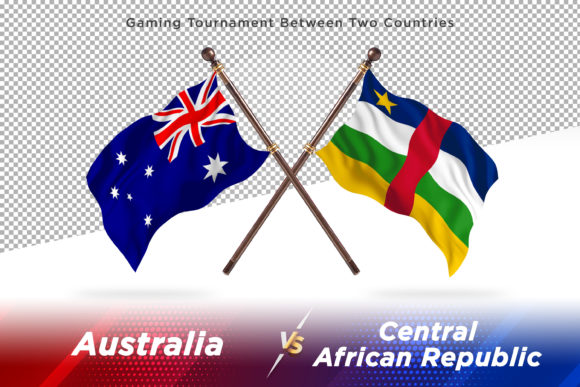
The flag of Aruba features a light blue background with two narrow yellow horizontal stripes near the bottom and a four-pointed red star with a white border in the upper left corner. The Central African Republic flag uses four horizontal bands — blue, white, green, and yellow — with a vertical red stripe crossing through the center and a yellow five-pointed star in the upper left corner.
Both flags use blue, yellow, red, and white. Both place a star in the canton — the upper left area. But the similarities mostly end there. The layout, balance, and meaning behind each flag reflect very different stories.
Design and symbolism explained simply
Aruba adopted its flag on March 18, 1976. The light blue field represents the sky and the sea that surround the island. The two yellow stripes suggest the island's flow of tourism and industry, while also evoking the warm sun and golden beaches. The red star has four points — not five — which stands out. Each point represents one of the four major languages spoken on the island: Dutch, Spanish, Papiamento, and English. The red color symbolizes love and the blood of those who fought for freedom, and the white border around the star stands for peace and unity.
The Central African Republic flag was officially adopted on December 1, 1958, just before independence from France. The four horizontal colors carry specific meaning: blue represents freedom and the sky, white symbolizes peace and dignity, green stands for hope and the forests, and yellow signifies tolerance and the country's mineral wealth. The vertical red stripe running through the center represents the unity of the people and the blood shed for independence. The yellow star in the canton symbolizes guidance and a bright future.
Both flags use color and stars to communicate national values. But where Aruba's design leans on the geography and languages of a small island, the Central African Republic's flag reflects the aspirations of a young nation with vast natural resources and a complex cultural landscape.
Why someone might compare these two flags
You might wonder who actually compares flags from Aruba and the Central African Republic. The reasons are more common than you think.
- Travel and relocation: Someone planning a trip or move to either destination often studies the national symbols to understand local identity.
- Educational projects: Teachers and students compare flags from different continents to learn about geography, history, and symbolism.
- Design inspiration: Graphic designers, marketers, and artists look at flag designs for color palettes, layout ideas, and symbolic storytelling.
- Cultural curiosity: People who enjoy learning about world cultures naturally compare symbols from different regions.
- Vexillology: Flag enthusiasts study design principles and often compare flags that share similar elements — like stars, stripes, or color combinations — to see how different nations solve similar design challenges.
The Aruba versus Central African Republic comparison is especially interesting because both flags break common design patterns in their own ways. Aruba uses a four-pointed star, which is rare. The Central African Republic combines horizontal stripes with a vertical stripe, creating a layout that stands out among African flags.
Practical uses for flag knowledge
Knowing the differences between these flags matters in several real-world contexts.
For travelers and expats
Understanding the flag before you arrive shows respect. In Aruba, the flag appears everywhere — on government buildings, at tourism events, and in local celebrations. Recognizing the four-pointed star helps you appreciate the island's multilingual identity. In the Central African Republic, the flag is a powerful symbol of national unity in a country with many ethnic groups. Knowing what the colors represent can help you connect with local people on a deeper level.
For educators and students
Comparing these flags makes for a strong classroom exercise. Students learn that flags are not random. Every element — color, shape, number of points on a star — can carry meaning. You can ask students to research each country and see how well the flag reflects reality. For example, does Aruba's emphasis on peace and multilingualism match your experience there? Does the Central African Republic's focus on unity and hope resonate with what you know about the country's history?
For designers and creatives
If you design logos, banners, or branding materials, studying flags teaches you how to communicate complex ideas in a simple visual format. Aruba's flag shows how a limited palette can feel warm and specific. The Central African Republic flag demonstrates how to layer meaning with horizontal and vertical elements without making the design feel cluttered. You might borrow the idea of a star with a border for contrast, or the use of multiple stripes to represent different values.
For business owners and entrepreneurs
Businesses that work internationally sometimes incorporate national symbols into marketing or product design. A brand that sources materials from Aruba or the Central African Republic might use flag colors in packaging to signal origin. Understanding the symbolism helps you avoid misusing a national symbol, which can cause offense or come across as insensitive.
Important things to consider before diving deeper
If you decide to study these flags further, keep a few things in mind.
- Context changes meaning: The same color can mean different things in different cultures. Yellow in Aruba's flag represents sun and industry. Yellow in the Central African Republic flag represents tolerance and mineral wealth. Never assume color meaning is universal.
- Stars are not interchangeable: Aruba's four-pointed star is intentionally different from the standard five-pointed star. It references the four cardinal directions, the four languages, and the four seasons. The five-pointed star in the Central African Republic flag follows a more traditional heraldic pattern and represents guidance and progress. Changing the number of points would alter the symbolism entirely.
- History matters: Aruba's flag was designed after the island gained a separate status within the Kingdom of the Netherlands. The Central African Republic's flag was created during the lead-up to independence from French colonial rule. Understanding the political moment when each flag was adopted helps you grasp why certain symbols were chosen.
- Local perspectives differ: Tourists and outsiders may see a flag as a colorful symbol. Locals often have stronger, more personal connections. In both Aruba and the Central African Republic, the flag represents pride, identity, and sometimes struggle. Approach the topic with respect.
- Flags evolve: Some countries modify their flags over time. Aruba's flag has remained unchanged since 1976. The Central African Republic's flag has also stayed consistent since 1958. But that may not always be the case, especially if political or social changes occur.
How to learn more without getting lost
If you want to explore flags more broadly, start with reliable sources. Government websites, national archives, and educational institutions often publish accurate historical information about flag adoption and symbolism. Books on vexillology — the study of flags — explain design principles and common patterns across different regions. Online communities of flag enthusiasts can also be helpful, but always double-check facts with official sources, especially when dealing with national symbols.
You can also visit Aruba or the Central African Republic to see how the flag is used in daily life. In Aruba, Flag Day on March 18 is a major celebration with parades, music, and ceremonies. In the Central African Republic, Independence Day on December 1 features flag displays and national pride events. Seeing the flag in its cultural context adds layers of understanding that no article or book can fully capture.
A final thought on flags and meaning
Comparing Aruba and the Central African Republic through their flags is more than an exercise in spotting differences. It reveals how two nations — one a small Caribbean island with a tourism-based economy, the other a large landlocked African country with rich natural resources — use similar visual tools to tell completely different stories. Both flags succeed because they are simple enough to recognize from a distance yet rich enough to study for hours.
Whether you are a traveler packing your bags, a teacher planning a lesson, a designer searching for inspiration, or simply someone who loves learning about the world, these two flags offer a worthwhile comparison. Look closely at the colors, the star, the stripes. Ask yourself what each element says about the people who live there. That curiosity is what turns a casual glance into genuine understanding.