Austria Versus Central African: Two Flags, Two Stories
Flags are far more than pieces of cloth fluttering on poles. They condense centuries of history, identity, and ambition into a handful of colors and shapes. When you set the flag of Austria next to the flag of the Central African Republic, you are not just seeing two national symbols – you are seeing two very different approaches to representing a people, a land, and a vision. For professionals in branding, educators teaching civics, or curious travelers, understanding what drives these designs offers practical insight into how symbols work in the modern world.
Why Compare Austria and Central African Republic Flags?
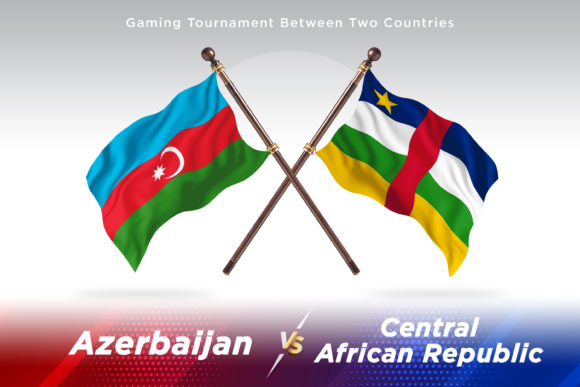
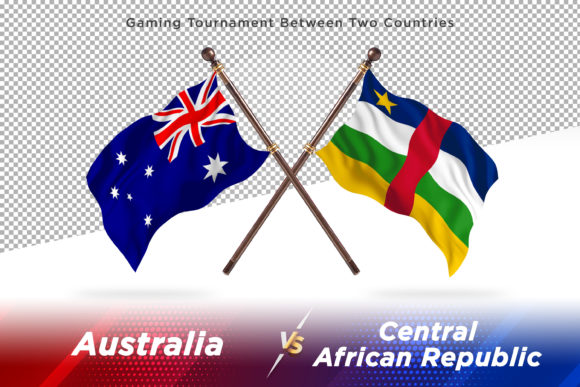
At first glance, the differences are obvious. Austria’s flag is a simple horizontal tricolor of red, white, and red – one of the oldest national flags in continuous use. The Central African Republic’s flag is far more complex: four horizontal bands of blue, white, green, and yellow, crossed by a vertical red stripe, with a yellow five-pointed star in the upper left canton. Yet the contrast itself is instructive. It reveals how historical context, political formation, and cultural values shape visual identity. Comparing the two helps you see how flag design reflects changing needs – from medieval banners to modern nation branding in the digital age.
For content creators and marketers, this comparison is a masterclass in simplicity versus richness. Austria shows that minimalism can carry deep meaning (the red-white-red dates back to the Babenberg dynasty and is said to derive from a blood-stained white tunic). The Central African Republic shows that layering multiple symbols can tell a story of unity among diverse peoples (the colors represent the former colonial powers France and Belgium, alongside Pan-African hues). Both approaches work, but they work for different audiences and contexts.
The Austrian Flag: Unchanged for Centuries
Austria’s flag is remarkably stable. Adopted in its modern form in 1918, the design itself is much older. Legend ties it to Duke Leopold V of Austria after the Siege of Acre in 1191. Historically, the simplicity made the flag easy to recognize on battlefields and at sea. Today, that stability serves Austria well in international settings – it is instantly identifiable, even at small sizes on screens. For designers, the lesson is that a strong, simple icon can endure when it is rooted in authentic history.
The Central African Flag: A Post-Colonial Synthesis
The Central African Republic gained independence from France in 1958 and adopted its flag the same year. Designer Barthélemy Boganda, the country’s first prime minister, wanted a flag that melded French tricolor symbolism with Pan-African aspirations. The four horizontal bands represent the country’s regions, while the vertical red stripe stands for unity and the blood of martyrs. The star symbolizes progress. This flag evolved from a deliberate effort to forge a new national identity from colonial and indigenous elements – a process many post-colonial nations faced.
Understanding these origins helps educators and historians explain how flags are not static. They are negotiated symbols that reflect political compromises and cultural blending. For business owners operating in multiple countries, recognizing such layered meanings can prevent missteps in international marketing.
Current Trends: Flags in Digital and Brand Contexts
In today’s fast-paced digital world, flags are used everywhere: in emoji, video thumbnails, branding materials, and social media profiles. The Austria flag’s simplicity gives it an advantage at very small sizes – its three bold stripes remain distinguishable even when compressed to a 32x32 pixel icon. The Central African Republic flag, with its multiple color bands, star, and vertical stripe, becomes harder to read at tiny scales. This is a practical consideration for web developers, app designers, and anyone who needs to represent countries in limited space.
On the flip side, when a flag is used in large-format prints or as part of an educational infographic, the Central African Republic’s design offers more visual interest and story potential. Marketers and content creators can leverage that complexity to spark curiosity: a thumbnail with the Central African flag invites clicks from users who want to learn about the country’s history and culture. Meanwhile, Austria’s flag works well as a clean, professional icon for business contexts – think shipping labels, conference banners, or corporate presentations.
Another trend is the use of flags in user interfaces for location selectors. Research suggests that users identify the Austrian flag almost instantly, whereas the Central African flag may require a moment of recognition, especially for those not familiar with the design. If you are building a global e‑commerce site, you might prioritize flag clarity for frequently selected countries. That doesn’t mean complex flags are bad – just that they need more care in implementation.
For Designers and Brand Strategists
The Austria versus Central African flag comparison offers a clear case study in how to balance heritage with innovation. If you are designing a logo or symbol for a project that spans cultures, consider what level of detail your audience can absorb. Austria’s flag teaches that restraint can be powerful – a lesson for startups wanting a memorable mark. The Central African flag teaches that multiple elements can coexist if they are organized well (notice the use of clear color separation and the star as a focal point). For logo designers, that layout can inspire ways to combine different brand attributes without chaos.
For Educators and Communicators
Using these two flags side by side in a classroom or presentation allows you to discuss colonial history, national identity, and the evolution of symbols. You can ask learners to guess which flag is older, or why one uses Pan-African colors while the other uses European heraldic traditions. This hands-on comparison makes abstract concepts concrete. Practical recommendation: prepare a slide with both flags at two sizes – large for detail and tiny for context – to show how legibility changes.
For Marketers and Content Creators
If you are creating content that involves Austria or the Central African Republic, the flag is a natural visual hook. But be careful with tone. Using Austria’s flag in a minimal, clean layout aligns with its design ethos. Using the Central African flag in a vibrant, story-rich format respects its complexity. Avoid superimposing the flag over busy backgrounds – let it breathe. For YouTube thumbnails, a close‑up of the Central African star alongside a bold title can be effective. For Austria, a full horizontal stripe pattern with a clear outline works well.
Lessons in Symbolism: What Each Flag Says About Its People
Flags reveal what a nation values. Austria’s flag emphasizes continuity, unity, and simplicity. It reflects a stable, prosperous country with a long historical memory. The red and white are also the colors of the Habsburg monarchy, which once spanned much of Europe. For the Central African Republic, the flag is a deliberate act of synthesis – acknowledging both the colonial past (via the French colors) and the African future (via green and yellow). The star points upward, suggesting hope and direction. This difference in narrative approach is relevant for anyone trying to communicate a brand or organization’s identity: do you want to signal tradition and reliability, or do you want to signal fusion and aspiration?
In practical terms, if you are advising a client on country-specific branding, these flag stories offer ready-made talking points. For example, an Austrian company expanding to Central Africa might incorporate subtle nods to both flags in its packaging to show cultural respect – perhaps using red, white, and blue together in a clean pattern. That kind of thoughtful integration goes a long way with local audiences.
Recommendations for Engaging with Flags Respectfully
- Learn the meaning behind the colors and symbols. Before using a flag in any content, research its official symbolism. For Austria, the red stands for love and blood, white for peace. For Central African Republic, each color has a specific reference – don’t assume.
- Use correct proportions and colors. Austria’s flag is officially 2:3 with specific red (PMS 186). The Central African flag has precise shades as well. Sourcing vector files from reputable repositories (like the UN Flag Database) ensures accuracy.
- Avoid altering the flag. Never add text, graphics, or filters to a flag for decorative purposes, unless you are certain it is acceptable in context (such as educational diagrams). Flags are protected by law in many countries.
- Consider accessibility. For people with color blindness, Austria’s higher contrast (red vs white) is easier to distinguish than some of the subtler distinctions in the Central African flag. If you must use the Central African flag in a small UI element, add a text label as a fallback.
- Use flags as conversation starters, not substitutes. A flag alone cannot convey a country’s full story. Pair it with factual context, especially when discussing nations that are less familiar to your audience.
Why This Matters Now More Than Ever
Globalization and digital media mean we encounter flags from around the world daily. Social media movements, international collaborations, and remote work have made cross-cultural literacy a professional necessity. Understanding what makes Austria’s flag distinct from the Central African Republic’s is not just an exercise in trivia – it builds a mental framework for interpreting all symbols. For entrepreneurs planning to expand into new markets, for educators preparing students for a connected world, and for creators who want their work to resonate globally, this kind of comparative knowledge is practical power.
When you next see these two flags side by side – perhaps on a map, in a news broadcast, or on a product label – you will see more than colors. You will see design philosophies, historical journeys, and cultural dialogues. That depth of understanding is what separates superficial content from genuinely helpful, insightful communication. And that is exactly the kind of content that builds trust with audiences today.
Observations based on reputable sources: Central Intelligence Agency World Factbook, official flag specifications from Austrian and Central African governments, and scholarly works in vexillology (Whitney Smith, Flag Institute). For further reading, the Flags of the World website provides detailed historical backgrounds. Always cross-reference with current governmental guidelines when using a flag professionally.