Aruba vs Cabo Verde: Two Flags Compared
At first glance, the flags of Aruba and Cabo Verde can easily be mistaken for one another. Both feature blue backgrounds, horizontal stripes, and stars. But those similarities are where the comparison ends, and the real story begins. For travelers, designers, educators, and business owners alike, understanding the differences between these two flags goes beyond trivia. It reveals how national symbols reflect geography, history, and identity in distinct ways.
What Makes These Flags Look Alike?
Aruba, a constituent country within the Kingdom of the Netherlands, adopted its flag in 1976. Cabo Verde, an island nation off the coast of West Africa, adopted its current flag in 1992 after separating from Guinea-Bissau. Both flags use blue as the dominant field, both incorporate horizontal stripes, and both feature stars. This visual overlap is what draws people to compare them in the first place.
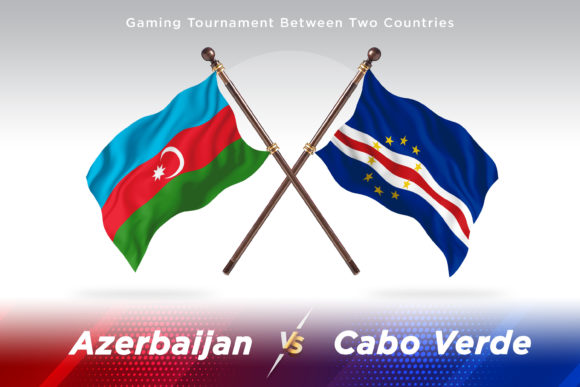
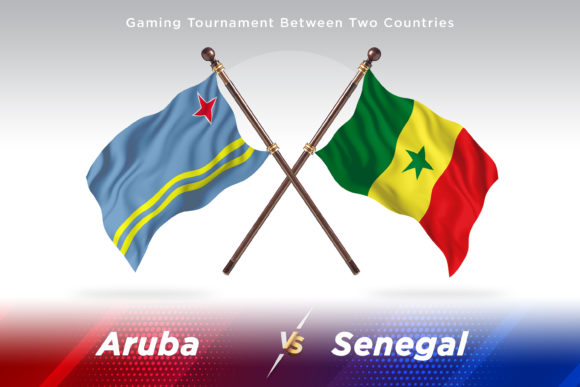
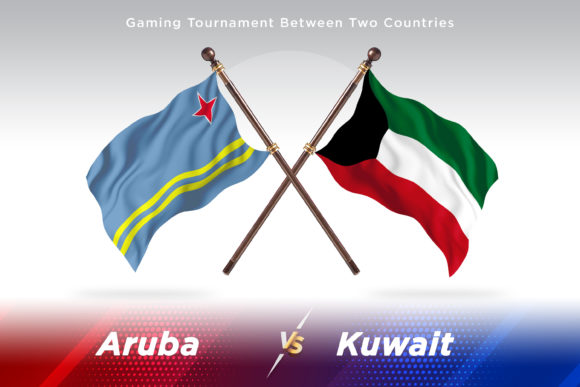
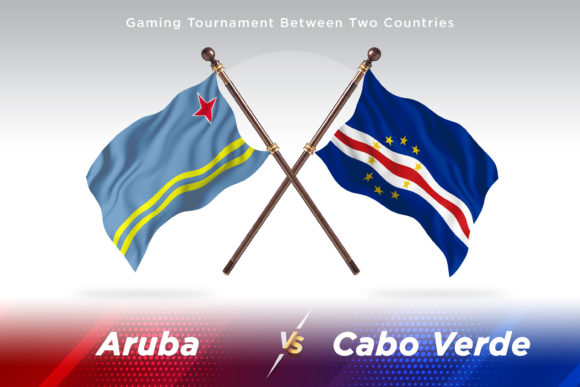
Aruba’s flag has a light blue background called Larkspur blue, two narrow yellow stripes near the bottom, and a four-pointed red star outlined in white in the upper left corner. Cabo Verde’s flag uses a darker blue, with three horizontal bands of white, red, and white across the lower middle, and a circle of ten yellow five-pointed stars on the left side.
These differences matter more than you might think, depending on who you are and why you care.
Why Travelers and Tourists Care
If you are planning a trip to either destination, knowing the flag helps you recognize the country at airports, on official documents, and in local souvenirs. A traveler heading to Oranjestad might see the Aruban flag everywhere from hotel lobbies to beach umbrellas. Meanwhile, a visitor to Sal or Praia in Cabo Verde will see the ten-star flag on official buildings and currency.
For a traveler, the practical difference is simple: Aruba’s flag feels more tropical and welcoming with its bright blue and yellow, while Cabo Verde’s flag feels more formal and oceanic with its deep blue and clean white lines. If you are a blogger or content creator documenting your trip, understanding these visual cues helps you describe the local culture more accurately.
What Designers and Creators Should Know
For graphic designers, web creators, and brand professionals, the differences between these two flags matter on a technical level. Aruba’s flag uses a four-pointed star, which is unusual in national flag design. That star is meant to evoke the island itself and the four major languages spoken there. The yellow stripes represent the island’s economy, tourism, and natural resources.
Cabo Verde’s flag uses a circle of ten stars, which directly represents the ten islands of the archipelago. The white and red stripes convey peace and national effort. If you are designing a travel guide, a website, or a marketing campaign that references either country, using the correct star shape, stripe position, and blue shade is critical.
A professional working on a multicultural project might need to place both flags side by side. In that case, the contrast between Aruba’s bright, warm palette and Cabo Verde’s cooler, more structured layout becomes a practical consideration for visual harmony.
How Educators and Students Use This Comparison
For teachers and students in geography, history, or political science classes, the Aruba versus Cabo Verde flag comparison offers a concrete example of how symbolism works. You can start with the obvious visual similarities, then ask why two unrelated nations chose similar designs. The answer lies in shared themes: both are island nations, both rely on the sea, and both wanted flags that conveyed peace, unity, and hope.
But the differences are equally instructive. Aruba’s flag uses a star with four points, which is rare and deliberately inclusive of multiple cultures. Cabo Verde’s ten-star circle emphasizes the archipelago’s unity across islands. A student analyzing these details learns how flags encode political and cultural messages without words.
For an educator, this comparison is a ready-made lesson in critical thinking. You can ask students to predict what each symbol means before revealing the official explanations. That kind of exercise builds analytical skills and cultural awareness at the same time.
What Hobbyists and Collectors Look For
Flag enthusiasts and collectors often seek out unusual or visually similar flags. The Aruban flag is notable for its four-pointed star, which is a rarity in national flags. The Cabo Verde flag is distinctive for its circle of stars, a layout shared by only a handful of other flags, such as the European Union or the former flag of the United States.
For a collector, the practical value lies in authenticity and accuracy. Knowing that Aruba’s blue is Larkspur blue and that Cabo Verde’s stars are yellow on a dark blue field helps avoid purchasing or displaying incorrect versions. Hobbyists also appreciate the backstory: Aruba’s flag was designed by local committee, while Cabo Verde’s was chosen after a national competition.
If you are a hobbyist, you might also enjoy comparing how the flags perform in different materials. Aruba’s light blue with yellow stripes works well on printed fabric, while Cabo Verde’s darker shade and white stripes hold up better in digital renders and web use.
How Business Owners and Marketers Evaluate Them
For small business owners, freelancers, and marketers involved in international trade or tourism, understanding the flag of your target market is a basic but essential skill. Aruba attracts a heavy North American and European tourist base, and its flag appears on brochures, websites, and promotional materials. Cabo Verde is becoming a more visible destination for European and African travelers, and its flag is increasingly used in travel media.
If you are a content creator or publisher producing material for both audiences, you need to ensure that your visual references are correct. Mixing up the two flags can confuse your audience and harm credibility. A blogger writing about Caribbean versus West African island travel, for instance, could use the flag comparison as a natural hook to discuss cultural differences.
From a marketing perspective, the emotional tone differs too. Aruba’s flag feels optimistic, bright, and leisure-oriented. Cabo Verde’s flag feels more serious, rooted, and maritime. A business owner promoting luxury resorts might lean toward the lightness of Aruba’s palette, while one highlighting eco-tourism or cultural heritage might resonate more with Cabo Verde’s deeper tones.
Practical Examples for Different Audiences
Let’s say you are a freelance web designer building a travel blog about both destinations. You need to create a header image that includes both flags. You would place Aruba’s flag on a lighter background to match its bright blue, while Cabo Verde’s flag needs a neutral or darker background to avoid washing out its stars. That’s a real design choice informed by understanding the flags themselves.
If you are a teacher preparing a geography quiz, you might show both flags side by side and ask students to identify which one belongs to which country, then explain the reasoning. The star count alone gives away the answer: four points for Aruba, ten stars for Cabo Verde.
If you are a traveler writing a postcard or social media caption, knowing that the Aruban star represents four languages and four directions adds depth to your description. Knowing that Cabo Verde’s ten stars represent each island helps you talk about the archipelago’s diversity in a single sentence.
Which Flag Matches Your Needs?
If you are a beginner exploring flags for the first time, start with the visual differences. Aruba uses lighter colors and a single star with four points. Cabo Verde uses darker blue, white and red bands, and ten stars in a circle. Memorize those two facts and you will never confuse them again.
If you are a professional working with international visuals, prioritize accuracy. Use official color references for Larkspur blue and the specific yellow, white, and red shades. Never assume two flags are interchangeable just because they share a blue field and stars.
If you are a creator or educator, use the comparison as a storytelling tool. The fact that two nations separated by thousands of kilometers chose similar design elements speaks to shared human themes of hope, unity, and belonging. That’s a story worth telling.
For business owners and marketers, the takeaway is about precision and respect. Using the wrong flag signals carelessness. Using the right flag, with understanding, builds trust with your audience.
Long-Term Usefulness of Knowing the Difference
Understanding the flags of Aruba and Cabo Verde is not just a party trick. It helps you navigate travel, design, education, and business with more confidence and cultural sensitivity. The more you learn about why flags look the way they do, the better you become at interpreting symbols in general.
For hobbyists, this kind of knowledge adds depth to your collection. For professionals, it adds precision to your work. For casual readers, it adds a layer of enjoyment when you see these flags in the wild, whether at an airport, in a documentary, or on a product label.
Both flags are beautiful in their own right. They represent proud nations with distinct histories. The choice between them is not about which one is better, but about which story you want to tell, and how accurately you want to tell it.