Australia Versus Botswana: Two Flags, Two Nations, One Shared Story of Identity
Flags are far more than pieces of fabric fluttering in the wind. They encapsulate a nation's history, its struggles, its aspirations, and its unique place in the world. When we place the Australian flag next to the flag of Botswana, we are not just comparing colors and symbols; we are comparing two distinct narratives of identity, geography, and national pride. For the casual observer, these two flags might seem worlds apart—one dominated by the deep blue of the Southern Ocean and the Union Jack, the other by a striking sky blue and bold black-and-white stripes. Yet, a closer look reveals fascinating contrasts and surprising parallels that tell us much about how nations see themselves and how they wish to be seen by the world.
This article explores the rich symbolism of both flags, delves into what they reveal about each country's history, values, and modern identity, and examines the broader significance of national symbols in an increasingly interconnected world. Whether you are a student, a traveler, or simply someone curious about the stories behind the emblems we see every day, understanding these two flags offers a window into the soul of two remarkable nations.
The Australian Flag: A Constellation of History and Allegiance
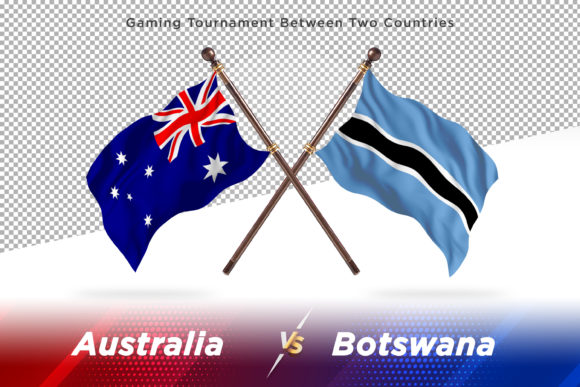
The national flag of Australia is instantly recognizable. It features a dark blue field with the Union Jack in the upper left canton (the hoist side), a large seven-pointed Commonwealth Star directly beneath it, and the constellation of the Southern Cross on the fly side. Each element carries deep historical and symbolic weight.
The Union Jack: A Legacy of British Ties
The presence of the Union Jack is the most debated element of the Australian flag. It represents Australia's origins as a collection of British colonies and its ongoing membership in the Commonwealth of Nations. For many, it is a proud reminder of shared history, legal traditions, and democratic institutions inherited from Britain. For others, particularly in modern debates about becoming a republic, the Union Jack is seen as a colonial relic that does not fully represent an independent, multicultural Australia. This tension is itself a key part of the Australian identity—a nation constantly negotiating its past with its future.
The Commonwealth Star and the Southern Cross
Beneath the Union Jack sits the Commonwealth Star, originally a six-pointed star representing the six federating colonies. In 1908, a seventh point was added to represent the territories of Papua and any future territories, symbolizing unity and expansion. The Southern Cross, a constellation visible only in the southern hemisphere, anchors the flag in geography and place. It connects Australians to the land below the Equator and has been used as a symbol of rebellion and identity since the Eureka Stockade in 1854. The four white stars vary in number of points (seven for the largest, five for the others), a detail that reflects early navigational charts. Together, these elements create a flag that speaks to heritage, geography, and federation.
The Flag of Botswana: A Vision of Rain, Harmony, and Progress
Botswana's flag is a masterclass in minimalist symbolism. Adopted upon independence from Britain in 1966, it features a light blue field divided horizontally by a bold black stripe with a thin white frame on either side. It is clean, modern, and deeply meaningful.
Sky Blue: Water and the Promise of Life
The most striking feature is the light blue background, which is unique among national flags. This blue represents water—specifically rain. In a semi-arid country where drought can be devastating, water is life. The flag carries a message of reliance on and gratitude for rainfall, which sustains agriculture, livestock, and communities. It is a hopeful symbol, reminding citizens that prosperity depends on the natural cycles of the sky. The blue also represents the sky itself, evoking openness, peace, and a forward-looking spirit.
Black, White, and the Harmony of a Nation
The central black stripe with white borders is the flag's most powerful statement. It directly represents the racial harmony and equality that Botswana has championed since its founding. In a continent and a world often divided by ethnic and racial lines, Botswana deliberately chose to place black at the center of its national symbol, framed by white. This reflects the country's commitment to a non-racial society, where all citizens, regardless of background, stand together. The zebra, Botswana's national animal, is also often cited as an inspiration—its black and white stripes symbolize the coexistence of different peoples. Moreover, the black and white evoke the country's rich mineral wealth, particularly diamonds, which have been responsibly managed to fund education, healthcare, and infrastructure. The flag, therefore, is a daily reminder of the values of peace, inclusion, and prudent stewardship.
Comparative National Identity: What the Flags Reveal
When you place the Australian and Botswanan flags side by side, you see two very different approaches to national symbolism. One is complex, layered with historical references, and carries the weight of colonial legacy. The other is clean, bold, and forward-looking, designed to articulate a new nation's core values from scratch. These differences mirror the countries themselves.
Historical Roots vs. Founding Aspirations
Australia's flag is deeply rooted in the 19th and early 20th centuries, reflecting its evolution from colony to federation. It is a flag that acknowledges a process of nation-building over time. Botswana's flag, by contrast, was designed at the moment of independence. It is a founding document in flag form, stating explicitly what the nation aspired to become. This makes the Botswanan flag perhaps more ideological and the Australian flag more historical.
Geographical Anchoring
Both flags anchor their nations geographically, but in different ways. Australia uses the Southern Cross to claim its place in the southern hemisphere. Botswana uses its sky-blue field to evoke the African sky and the life-giving rain that defines its landscape. One points to the stars, the other to the clouds. Both are powerful reminders that these nations are inseparable from their natural environments.
Social Values: Unity and Diversity
Botswana's flag makes racial harmony its central motif. It is a deliberate, powerful statement of unity in diversity. Australia's flag does not directly speak to multiculturalism, although modern Australia is one of the most culturally diverse nations on Earth. The absence of explicit multicultural symbolism on the Australian flag is itself a topic of national conversation, and some Australians feel that a new flag could better represent their inclusive, multi-ethnic society. Botswana's flag, from its very inception, put inclusivity front and center.
Modern Relevance and Everyday Significance
Flags are not static museum pieces. They fly over government buildings, schools, and sporting arenas. They are worn on uniforms, waved at parades, and shared on social media. Understanding what these flags mean helps us engage more deeply with the countries they represent.
In Business and Trade
For businesses looking to engage with either Australia or Botswana, understanding national symbols is a matter of cultural intelligence. The Australian flag's blend of British heritage and independent spirit suggests a nation that values stability, tradition, and innovation. Botswana's flag, with its emphasis on harmony and responsible resource management, signals a country that takes governance and partnership seriously. Both nations have strong mining sectors (Australia in iron ore and coal, Botswana in diamonds) and both prioritize sustainable development. The flags remind international partners that these countries have distinct identities and values that shape their business environments.
In Travel and Tourism
For travelers, flags are often the first introduction to a destination. The Australian flag evokes images of vast outback landscapes, vibrant coastal cities, and a laid-back lifestyle. It is a flag that says "adventure" and "opportunity." Botswana's flag, with its blue skies and zebra-like stripes, immediately conjures images of the Okavango Delta, the Kalahari Desert, and world-class wildlife safaris. It promises natural beauty, exclusivity, and peaceful coexistence with nature. Understanding these symbols enhances a traveler's appreciation of the places they visit.
In Education and Civic Life
Schools in both countries teach children about their flag's symbolism. In Australia, this often includes discussions about federation, the monarchy, and the ongoing republic debate. In Botswana, children learn about the importance of rain, the value of racial harmony, and the responsible use of natural resources. The flags become tools for civic education and national pride. They help young citizens understand where they come from and what their society stands for.
Common Misunderstandings and Clarifications
There are a few common misconceptions about these flags worth addressing. First, the Australian flag is sometimes confused with the flag of New Zealand, which also features a blue field, the Southern Cross, and the Union Jack. However, New Zealand's flag has red stars and only four points per star, while Australia's stars are white and vary in points. The Commonwealth Star is also unique to Australia. For Botswana, some people mistakenly think the black stripe represents the African continent or a specific ethnic group. In fact, it represents all people of Botswana, regardless of race, and the white borders symbolize peace and the non-racial nature of the society. The flag is a statement of inclusion, not division.
The Broader Context: Why Flags Matter
In a world of global brands, digital identities, and transnational connections, national flags remain remarkably powerful. They condense complex histories and aspirations into a single, visual form. The Australian and Botswanan flags, though different in design and origin, both serve the same fundamental purpose: to give a people a shared symbol around which to unite. They remind citizens of their common heritage, their shared challenges, and their collective dreams.
For Australia, the flag is a conversation about federation, heritage, and place. For Botswana, it is a declaration of independence, harmony, and hope. Both flags invite us to look deeper—beyond the colors and shapes—to understand the stories of the people who salute them. Whether you are an Australian reflecting on your national identity or a Botswanan proud of your country's peaceful progress, or simply a global citizen curious about the world, these two flags offer a rich lesson in what it means to belong to a nation.
By exploring the Australia versus Botswana comparison through the lens of their flags, we gain not just knowledge about two countries, but a deeper appreciation for how symbolism shapes our world. Next time you see these flags flying, whether at an international summit, a sporting event, or a travel blog, you will see more than just fabric. You will see stories of rain and stars, of history and hope, and of the enduring human need to say, "This is who we are."