Australia vs Azerbaijan: Two Flags Compared
Flags tell stories. They carry symbols, colours, and meanings that reflect a nation's identity, history, and values. When you look at the flags of Australia and Azerbaijan side by side, you might notice they are worlds apart in design, yet both carry deep significance for their people. Understanding what each flag represents goes beyond simple recognition — it opens a window into the culture, geography, and spirit of each country. Whether you are a traveller, a designer, an educator, or simply curious about world flags, comparing these two flags offers a fascinating lesson in symbolism and national pride.
What the Flags Look Like at First Glance
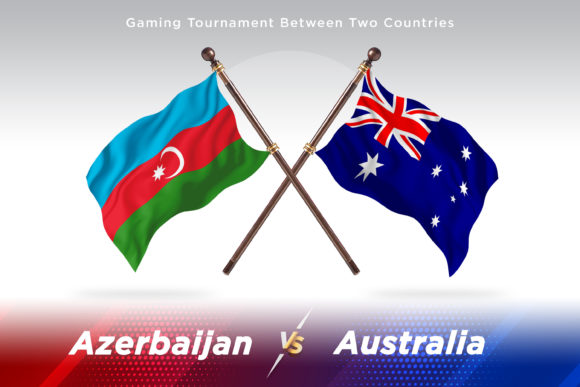
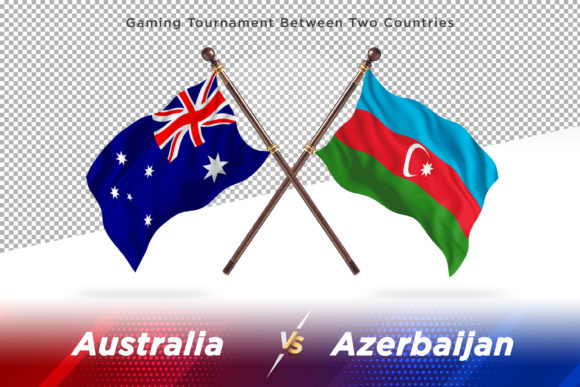
The Australian flag features a dark blue field with the Union Jack in the upper left corner, a large seven-pointed Commonwealth Star beneath it, and the Southern Cross constellation made of five white stars on the right half. The design is rooted in British colonial history and Australia's position in the southern hemisphere.
The Azerbaijani flag, by contrast, uses three equal horizontal stripes of blue, red, and green. In the centre of the red stripe, a white crescent moon and an eight-pointed star sit prominently. The layout is clean, bold, and instantly recognisable. There is no Union Jack, no constellation — just pure symbolic colour blocks with a central emblem.
Even at a basic visual level, these two flags represent different design philosophies. Australia leans on a traditional, detailed Commonwealth style, while Azerbaijan follows a modernist tricolour approach common among many nations, yet with its own distinct emblem.
Why Compare These Two Flags?
You might wonder why someone would compare Australia and Azerbaijan specifically. The reasons are more practical than you might think.
For travellers and expats, knowing the difference avoids confusion. Both flags use blue and feature stars, but their meanings and contexts are entirely different. For educators teaching world geography or civics, comparing flags from different continents helps students understand how national symbols evolve. For marketers and content creators working with international audiences, being able to correctly identify and explain these flags builds trust and cultural awareness.
There is also a growing interest in vexillology — the study of flags — among hobbyists and creators who enjoy analysing design principles. The contrast between Australia's complex Commonwealth symbolism and Azerbaijan's clean tricolour layout makes for a compelling case study in flag design.
Key Symbolism in the Australian Flag
The Australian flag uses symbols that connect directly to the nation's history and geography. The Union Jack acknowledges the historical ties to Britain. The Commonwealth Star has seven points representing the six original states and the territories. The Southern Cross is a constellation visible only in the southern hemisphere, grounding the flag in Australia's unique place on the planet.
For anyone studying or using the Australian flag, it is important to understand that it is a symbol of federation and colonial heritage. The flag is protected by law, and there are specific protocols for its display. Using it respectfully in educational or commercial contexts means understanding its formal meaning.
Key Symbolism in the Azerbaijani Flag
The Azerbaijani flag communicates national identity through colour and emblem. The blue represents Turkic heritage and the Caspian Sea. The red stands for progress and the nation's desire for a modern society. The green symbolises Islam and the country's agricultural roots. The crescent moon and eight-pointed star are traditional Turkic and Islamic symbols, with the eight points often said to represent the eight branches of the Turkic peoples or the letters of the word "Azerbaijan" in Arabic script.
This flag was officially adopted in 1918 during the Azerbaijan Democratic Republic, making it one of the earliest modern flags in the Muslim world to use a secular tricolour. Understanding this history adds depth for anyone teaching about post-Soviet states, Islamic symbolism, or national identity in the Caucasus region.
Practical Uses for Comparing the Two Flags
Comparing the Australia Versus Azerbaijan two flags is not just an academic exercise. It has real-world applications across several areas.
Travel and Cultural Awareness
If you are planning travel to either country, recognising the flag and understanding its meaning helps you connect with locals and show respect. In Australia, displaying the flag incorrectly or treating it casually can be seen as disrespectful. In Azerbaijan, the flag is a source of strong national pride, especially given the country's relatively recent independence. Knowing these nuances makes you a more informed and thoughtful traveller.
Design and Creative Work
For graphic designers, illustrators, and content creators, the two flags offer a study in contrast. Australia's flag is busy with multiple elements — the Union Jack, a large star, and a constellation. Azerbaijan's flag is minimal, relying on three bold colours and a central emblem. If you are designing something that needs to incorporate national symbols, understanding how each flag works visually helps you avoid clutter or misrepresentation.
For example, if you are creating a travel infographic or a multicultural presentation, you might use the Australian flag in a context that explains Commonwealth ties, while the Azerbaijani flag works well in discussions of modern national identity. Knowing where each flag fits visually and symbolically improves the quality of your work.
Education and Curriculum Development
Teachers and educators looking for a clear, engaging way to teach about national symbols will find the Australia Versus Azerbaijan comparison useful. The two flags represent different regions, histories, and design traditions. You can use them together to discuss colonialism versus independence, northern versus southern hemisphere symbolism, or the role of religion in national identity.
A simple classroom exercise might involve asking students to list the symbols on each flag and research what they mean. This builds critical thinking and cultural literacy without requiring advanced knowledge of either country.
What to Keep in Mind When Using or Discussing These Flags
Before you use either flag in a project, presentation, or educational setting, there are a few important considerations.
- Respect flag protocols. Both Australia and Azerbaijan have laws governing the use of their national flags. In Australia, the flag should always be flown in a position of honour, and it should not be defaced or used for commercial purposes without permission. In Azerbaijan, the flag is treated with similar respect, and improper use can lead to fines or legal action.
- Avoid mixing symbols. Because the Australian flag includes the Union Jack, some people mistakenly think it is the British flag or that Australia is still a colony. Be clear in your explanations that Australia is an independent nation with its own flag, even though it retains historical symbolism. Similarly, the Azerbaijani flag should not be confused with other Turkic tricolours such as Turkey or Uzbekistan, even though they share design elements.
- Consider your audience. If you are creating content for a global audience, assume that many people will not know the difference between these two flags. Use the comparison to educate, not to assume prior knowledge. A friendly, explanatory tone works best.
- Check for accuracy. The shades of blue, red, and green on the Azerbaijani flag are specified by law. The Australian flag's blue is also standardised. When recreating or displaying these flags digitally, use the correct colour codes to maintain authenticity.
Common Misconceptions About the Two Flags
People sometimes confuse the Australian flag with the New Zealand flag because both feature the Southern Cross and Union Jack. However, the Australian flag has a seven-pointed Commonwealth Star and a different star arrangement. The Azerbaijani flag is sometimes mistaken for the Turkish flag due to the crescent and star, but the Azerbaijani version has eight points and green and blue bands. Knowing these differences helps you avoid errors in quizzes, articles, or classroom materials.
Another common mistake is assuming that the front and back of these flags differ. Both flags are identical on both sides by design, though some historical versions of the Australian flag had reversed stars on the back. Modern official versions are consistent.
How to Learn More About Each Flag
If the Australia Versus Azerbaijan two flags comparison has sparked your interest, there are many ways to go deeper. Official government websites for both countries provide precise flag specifications, including exact colour codes and proportions. Museums in Canberra and Baku often have exhibitions on national symbols. Online vexillology communities welcome beginners and offer forums where you can ask questions and share observations.
You might also consider exploring the flags of neighbouring countries. Understanding the Australian flag becomes richer when you compare it with New Zealand, Papua New Guinea, or Fiji. Understanding the Azerbaijani flag deepens when you look at Turkey, Turkmenistan, or Uzbekistan. Flags rarely exist in isolation — they are part of regional and historical conversations.
Bringing the Comparison into Your Own Projects
Whether you are a blogger writing about world cultures, a teacher planning a geography lesson, or a designer working on an international campaign, the Australia Versus Azerbaijan two flags comparison offers a practical and engaging way to talk about identity, history, and design. Start with what is visible — the colours, the stars, the crescent — and then move into what those symbols mean. Your audience will appreciate the clarity and depth.
Flags are small pieces of fabric that carry enormous weight. By taking the time to understand two of them side by side, you gain not just knowledge about Australia and Azerbaijan, but a broader appreciation for how nations choose to represent themselves. That is a skill that serves you well in travel, work, and everyday conversation.