Austria Versus Seychelles Two Flags: A Comparative Exploration of Design, Symbolism, and Cultural Narratives
At a recent international cultural fair, a visitor pauses before two flag displays—one bearing crisp horizontal bands of red and white, the other a radiant fan of blue, yellow, red, white, and green radiating from the lower hoist. The contrast is immediate, yet each flag tells a story of identity, geography, and values. The Austria versus Seychelles two flags comparison offers a rich lens through which to explore how national symbols encode history, aspirations, and aesthetic choices that resonate far beyond their borders. Whether you are an educator illustrating vexillology, a designer seeking inspiration, or a traveler curious about cultural markers, understanding these two flags reveals much about the nations they represent and the principles behind effective flag design.
Foundations of the Austrian Flag: Simplicity Grounded in Legend
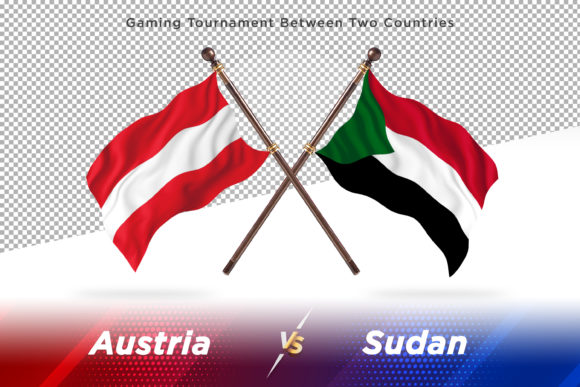
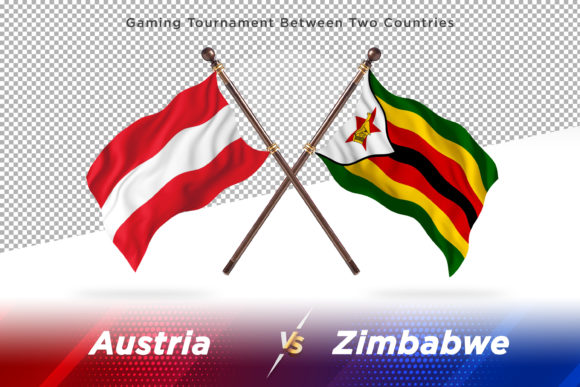
The national flag of Austria is one of the oldest in continuous use, with a design that is deceptively simple: three equal horizontal stripes—red, white, red. This emblem is deeply embedded in Austrian history. According to tradition, the colors originate from the bloodstained white tunic of Duke Leopold V during the Siege of Acre in the 12th century. After the battle, his belt and tunic were removed, revealing a red cloth with a white band where the belt had been. Whether apocryphal or factual, the story imbues the flag with a narrative of bravery and sacrifice.
From a design perspective, the Austrian flag exemplifies maximal impact with minimal elements. The high-contrast red-white-red pattern is immediately recognizable and works well in both indoor and outdoor settings. It adheres to the vexillological principle of simplicity: a child can draw it from memory. This simplicity translates into practical advantages—it flutters clearly in the wind, prints easily, and reproduces reliably across materials. For businesses and cultural institutions in Austria, the flag’s clean lines often serve as a backdrop for logos or as a unifying motif in marketing, reinforcing national pride without overwhelming the viewer.
Another layer of meaning comes from heraldry. The shield of the Austrian coat of arms includes the same red-white-red band, linking the flag directly to the nation's medieval roots. While the civil flag omits the coat of arms, the state flag incorporates it, differentiating official from common usage. This nuance matters for protocol and for those studying the Austria versus Seychelles two flags dynamic: Austria’s approach is conservative, rooted in a long unbroken tradition, whereas Seychelles takes a more modern, expressive route.
The Seychelles Flag: A Dynamic Spectrum of Unity and Nature
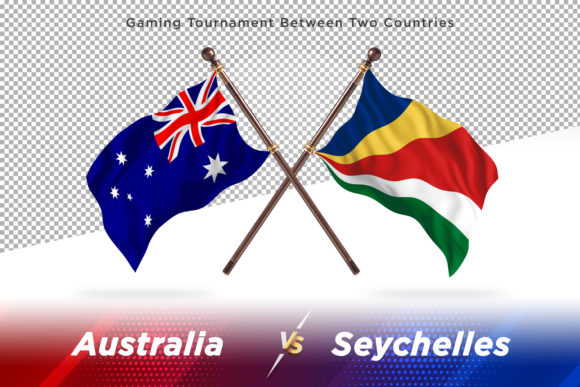
In sharp contrast, the flag of Seychelles is a burst of color and motion. Adopted in 1996, it replaced an older design to better reflect the country’s diversity and forward-looking spirit. The flag consists of five oblique bands radiating from the lower hoist corner: blue, yellow, red, white, and green. These colors are not arbitrary; they represent the sky and ocean (blue), the sun (yellow), the people and their determination (red), social justice and harmony (white), and the land and nature (green). The radiating arrangement symbolizes the nation’s vibrant multiculturalism and its energetic movement toward the future.
This design breaks from traditional rectangular patterns, making the Seychelles flag one of the most unconventional in the world. For designers and educators, it serves as a case study in how spatial arrangement can convey ideology. The fan shape suggests openness, inclusion, and dynamic growth. When displayed at international gatherings, the flag stands out among rows of horizontal and vertical stripes, inviting questions and conversation. This distinctiveness is a strategic asset in tourism marketing—the flag itself becomes a memorable icon that potential visitors associate with tropical beauty and cultural richness.
The flag’s color selection also reflects ecological and social consciousness. Green for the lush islands, blue for the surrounding Indian Ocean, yellow for the equator’s sun—these elements are immediately relatable to anyone familiar with Seychelles as a destination. Meanwhile, red and white emphasize unity and shared values, bridging the natural and human dimensions. In educational contexts, comparing the Austria versus Seychelles two flags highlights how one design draws authority from continuity and the other from innovation.
Composition and Geometry
- Austria: Three equal horizontal bands. Symmetrical, stable, timeless. The flag’s proportions (2:3) are standard across Europe. The design is monothematic with only two colors.
- Seychelles: Five diverging bands radiating from a common point. Asymmetrical, energetic, modern. The flag’s proportions are also 2:3, but the oblique angle creates a sense of motion.
The geometric difference is not just aesthetic; it affects how the flag is perceived in different contexts. For example, when displayed vertically, Austria’s stripes naturally rotate, while Seychelles’ radiating pattern can be reoriented but loses its directional meaning. Practical considerations like these matter for flag manufacturers and event planners who need to follow etiquette.
Color Psychology and Meaning
Red and white in Austria evoke a palette of strength, purity, and historical depth. Red often symbolizes courage and valor, while white represents peace and honesty. In contrast, Seychelles’ five-color spectrum suggests plurality, joy, and connectivity. Blue and green also carry calming, natural associations. For marketers, the emotional impact of these colors can shape branding—an Austrian tourism campaign might lean on the clean, serene white and red, whereas a Seychelles campaign would emphasize tropical blues and greens.
Narrative Depth
One flag tells a story of a single heroic moment; the other tells a story of a nation synthesized from diverse populations and ecosystems. The Austria versus Seychelles two flags comparison thus becomes a window into different historical experiences: Austria’s long imperial and republican past versus Seychelles’ post-colonial identity and multicultural foundation. For researchers and educators, each flag offers a primary source for discussing how nations choose to represent themselves.
Education and Research
In classrooms and online courses, flags are powerful tools for teaching geography, history, and civics. A lesson on the Austria versus Seychelles two flags can cover European heraldry and African independence movements in a single session. Students can analyze the flags using the North American Vexillological Association’s principles: simplicity, meaningful symbolism, few colors, and distinctiveness. Austria scores high on simplicity and symbolism; Seychelles scores high on distinctiveness and meaningful colors. Such side-by-side analysis develops critical thinking about how abstraction conveys identity.
Travel and Tourism
For travel agencies, destination marketing, and guide authors, flags serve as instant visual ambassadors. Austria’s flag, with its classic European look, reassures travelers of stability, culture, and history. It appears on city tours, hotel signage, and national parks. Seychelles’ flag, by contrast, signals exoticism, vibrancy, and natural wonder. A brochure that juxtaposes these flags can appeal to different traveler motivations—one seeking refinement and alpine landscapes, the other seeking relaxation and island biodiversity. Including the Austria versus Seychelles two flags in comparative travel content adds depth and helps readers make informed choices.
Graphic Design and Branding
Designers looking for color palettes or layout inspiration can learn from both flags. Austria’s restrained red-white-red scheme lends itself to minimalist logos, elegant packaging, and corporate identity that conveys reliability. Seychelles’ five-color fan inspires designers working on inclusive, vibrant brands—for festivals, non-profits, or cultural events. The contrast also illustrates the trade-off between memorability through simplicity versus memorability through complexity. Studies in branding suggest that both approaches can succeed, but the audience and context must align.
Flag Protocol and Manufacturing
Flag manufacturers and event coordinators benefit from understanding the nuances of each design. Austria’s flag is straightforward to produce in various sizes and materials, while Seychelles’ diagonal bands require careful alignment to ensure the pattern stays centered. Weather resistance and colorfastness are concerns for both: red in Austria can fade, and the bright yellow in Seychelles may need UV protection. Awareness of these practical details helps professionals serve their clients better, whether outfitting a consulate or a beach resort.
Broader Considerations in Flag Usage and Perception
Beyond aesthetics, flags carry legal and ethical dimensions. Misuse—such as flying a flag upside down or altering its proportions—can be seen as disrespectful. Both Austria and Seychelles have established protocols for display, and businesses or organizations that feature these flags should adhere to them. For example, the Austrian flag should never touch the ground, and when displayed with other flags, it typically occupies the position of honor. The Seychelles flag protocol also includes provisions for flag folding during retirement ceremonies. These details enrich the conversation around the Austria versus Seychelles two flags, moving from design into cultural reverence.
Psychological Impact on Observers
Research in environmental psychology suggests that flags can influence mood and perceived identity of a space. A room adorned with Austria’s flag may feel orderly, dignified, and safe. A space with Seychelles’ flag might feel energetic, welcoming, and diverse. For event planners, selecting which flag to display can subtly shape attendee expectations. A global conference featuring both flags could signal a blend of tradition and innovation—a powerful message for international audiences.
Real-World Observations and Anecdotes
During a recent workshop on national symbols, participants were asked to sketch both flags from memory. Nearly everyone drew Austria’s horizontal stripes correctly, while many struggled with the exact angle and sequence of Seychelles’ bands. This exercise underscores the challenge of complex flags. Yet when participants later rated their favorites, Seychelles ranked higher for creativity and emotional appeal. This tension between recall and appreciation is a recurring theme in vexillology and can guide educators in balancing clarity with expression.
Another observation comes from digital design: when flags are represented as emojis, Austria’s flag often blends into the menu because of its simple pattern, while Seychelles’ flag pops against monochrome backgrounds. For social media managers and UI designers, the visual distinctiveness of Seychelles’ flag can be an asset in highlighting posts or notifications related to the country. Austria’s flag, conversely, works better as a subtle marker alongside textual labels.
Trends and Evolution in Flag Design
The Austria versus Seychelles two flags also illustrate a broader shift in national flag design over time. Older flags tend to follow European heraldic traditions—stripes, crosses, and coats of arms. Newer flags, especially those adopted in the late 20th century, often break free from these conventions. Seychelles’ flag belongs to this modern wave, alongside flags like South Africa’s Y-shaped pattern or Canada’s maple leaf. This trend reflects a desire for distinctiveness in a globalized world where thousands of flags compete for recognition. Businesses launching new brand logos often face the same challenge: how to stand out while remaining clear.
For educators and researchers, tracking flag design trends can parallel discussions in cultural studies and political science. Why did Seychelles choose a radical departure? The answer lies in the country’s post-independence desire to craft a new narrative. Austria, with its established identity, saw no need for change. This divergence is a powerful lesson in how historical context shapes even the most inanimate symbols.
Practical Guidance for Enthusiasts and Professionals
- When using flags in digital or print media, always check official specifications for exact colors (Pantone or CMYK values). Austria’s red is officially defined as Pantone 186, while Seychelles’ blue is Pantone 2945 and yellow Pantone 115. Proper reproduction maintains respect.
- For educational projects, consider creating a side-by-side chart of elements: number of colors, orientation, year adopted, symbolism. This helps students grasp comparative analysis.
- For designers, export flag vectors from reputable sources to avoid distortions. The Austria versus Seychelles two flags can serve as extremes in a design brief—one representing order, the other representing motion.
- For travelers, understanding flag etiquette shows cultural sensitivity. In Austria, flying the flag at half-mast follows specific dates; in Seychelles, raising the flag at sunrise is common. Being aware of these practices enriches the travel experience.
Both flags have also found their way into art and merchandise. Austrian flag motifs appear on lederhosen and Christmas markets. Seychelles flag patterns inspire beachwear and souvenir textiles. Creators can draw on these authentic uses to develop original products that celebrate culture without appropriation. A fashion designer might incorporate the clean lines of Austria’s stripes into a formal collection, while a swimwear line could echo Seychelles’ colorful fan.
The exploration of Austria versus Seychelles two flags ultimately reveals that a flag is never just a piece of cloth. It is a snapshot of a nation’s soul, a tool for communication, and a canvas for creative expression. Whether you are researching, designing, or simply appreciating, these two flags offer endless layers of meaning that reward close attention. Their differences highlight the diversity of human experience, while their shared purpose as symbols of belonging reminds us of the common need to rally around a visual identity.