Armenia Versus Vanuatu: Two Flags, Two Worlds – A Deep Dive into Symbolism and National Identity
Flags are far more than pieces of fabric fluttering in the wind. They are condensed stories of a nation's history, struggles, values, and aspirations. When we place the flag of Armenia next to the flag of Vanuatu, we see two vastly different designs, yet both carry profound meaning for their people. At first glance, one might notice the bold tricolor of Armenia versus the vivid green, black, red, and yellow of Vanuatu, but the real richness lies in what each color, stripe, and emblem represents. This article explores these two flags in depth, revealing how their design choices reflect geography, history, and national spirit. Whether you are a student, a traveler, or simply curious about world cultures, understanding these symbols offers a window into the soul of each nation.
Why Compare Armenia and Vanuatu?
At first, Armenia and Vanuatu seem to have little in common. Armenia is a landlocked country in the South Caucasus region of Eurasia, with a history stretching back thousands of years. Vanuatu, on the other hand, is a Pacific island nation made up of roughly 80 islands, known for its volcanic landscapes and Melanesian culture. Yet both nations use their flags to tell stories of resilience, unity, and hope. Comparing them helps us appreciate how different environments and histories shape national symbols. It also highlights a universal truth: every flag is a carefully crafted message from a people to the world.
The Flag of Armenia: A Tricolor of Sacrifice and Renewal
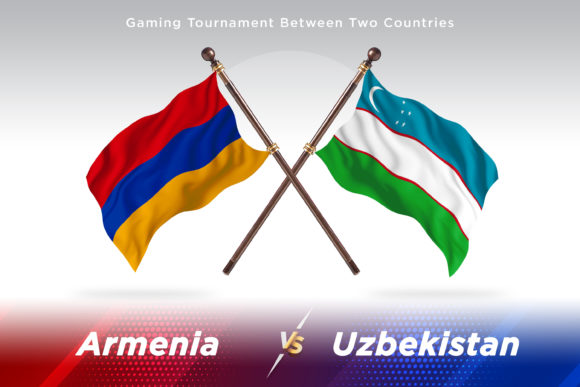
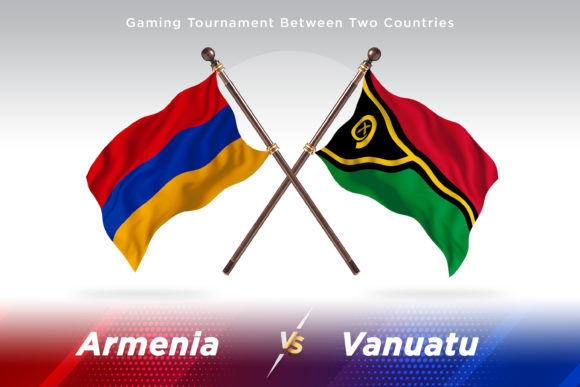
The national flag of Armenia consists of three horizontal stripes of equal width: red on top, blue in the middle, and orange on the bottom. This simple yet powerful design was officially adopted on August 24, 1990, though its roots go back to the early 20th century. To truly understand this flag, we need to look beyond the colors to the story they tell.
Symbolism of the Armenian Tricolor
Each color in the Armenian flag carries a specific meaning, carefully chosen to represent the nation's journey:
- Red – The top stripe symbolizes the blood shed by Armenian soldiers and civilians throughout history, particularly during the Armenian Genocide and various wars for independence. It also represents the courage and sacrifice of the Armenian people.
- Blue – The middle stripe stands for the clear skies over Armenia and the hope for a peaceful future. It also reflects the country's Christian heritage and the ideals of truth and justice.
- Orange – The bottom stripe represents the country's fertile land, its agricultural wealth, and the hard work of its people. Some interpretations also link it to the creativity and artistic spirit of the nation.
Together, these three colors form a narrative of suffering, aspiration, and resilience. The flag is a daily reminder of what Armenians have endured and what they continue to strive for.
Historical Context of the Armenian Flag
The modern Armenian flag has its origins in the short-lived Democratic Republic of Armenia (1918–1920). After centuries of foreign rule, Armenia declared independence from the Russian Empire and adopted a tricolor very similar to today's version. During the Soviet era, the flag was replaced with a red banner featuring a hammer, sickle, and a blue stripe, but the tricolor never disappeared from the hearts of Armenians at home and abroad. When Armenia regained independence in 1991 following the collapse of the Soviet Union, the tricolor was reinstated almost immediately. Today, it flies proudly over Yerevan, the capital, and in Armenian communities worldwide.
The Flag of Vanuatu: A Tapestry of Island Culture and Unity
Vanuatu's flag is far more complex in design, featuring a horizontal bicolor of red and green with a black triangle on the hoist side, all separated by a yellow fimbriation (thin border). Inside the black triangle sits a yellow boar's tusk encircling two crossed fern leaves. This flag was adopted on February 13, 1980, when Vanuatu gained independence from joint British and French colonial rule, known as the Condominium. Every element is deeply rooted in Melanesian tradition and the island's natural environment.
Symbolism of the Vanuatu Flag
The flag of Vanuatu is a visual encyclopedia of its culture. Here is what each part represents:
- Red – The upper horizontal band symbolizes the blood of the people and the sacrifices made during the struggle for independence. It also represents the unity of the nation's diverse tribes.
- Green – The lower horizontal band represents the rich vegetation, forests, and agricultural abundance of the islands. Vanuatu is known for its tropical landscapes, and green reflects the land's vitality.
- Black – The black triangle on the left side symbolizes the Melanesian people themselves. The term "Melanesia" means "black islands," referring to the dark skin of the indigenous population. This is a proud assertion of identity.
- Yellow fimbriation – The thin yellow lines that separate the colors represent the light of Christianity, which has deeply influenced the islands since missionaries arrived in the 19th century. Yellow also symbolizes the sun and the bright future of the nation.
- Boar's tusk – The curled tusk inside the black triangle is a traditional symbol of prosperity, wealth, and status in Vanuatu. Boar's tusks are used in ceremonial exchanges and are highly valued in Melanesian culture.
- Crossed fern leaves – The two fern leaves behind the tusk represent peace and the traditional local governance system. Ferns are also a symbol of the indigenous people's connection to the land and their ancestors.
Every detail of the Vanuatu flag is intentional, blending indigenous symbols with a modern sense of nationhood. It is a flag that tells a story of colonial struggle, cultural pride, and hope for harmony.
Historical Context of the Vanuatu Flag
Vanuatu was administered jointly by Britain and France for much of the 20th century, a unique arrangement that often caused confusion and conflict. The independence movement gained strength in the 1970s, and the flag was designed by local artist Kalontas Malon as a unifying symbol for the new nation. The flag was first raised on July 30, 1980, when Vanuatu became fully independent. Since then, it has remained unchanged, a testament to the careful thought that went into its creation.
Side-by-Side Comparison: Armenia vs. Vanuatu
Now that we understand each flag individually, let us put them side by side. The contrasts are striking, but so are the underlying similarities.
Color Palette and Visual Impact
Armenia's flag uses a restrained palette of red, blue, and orange. These are warm, earthy tones that feel grounded and historical. Vanuatu's flag, by contrast, uses bold, high-contrast colors: red, green, black, and yellow. It is more vibrant and immediately draws the eye. Where Armenia's flag feels solemn and dignified, Vanuatu's feels energetic and celebratory.
Design Complexity
The Armenian flag is a classic tricolor with no emblems or symbols—pure stripes that rely entirely on color for meaning. This simplicity is typical of many European flags. Vanuatu's flag, however, includes detailed imagery: a boar's tusk, fern leaves, and multiple color boundaries. This complexity reflects the rich oral traditions and visual art of Melanesian culture, where symbols carry layered meanings.
Shared Themes
Despite their differences, both flags emphasize sacrifice (red in both), hope (blue in Armenia, yellow in Vanuatu), and connection to the land (orange in Armenia, green in Vanuatu). Both also serve as powerful reminders of independence struggles. Armenia's flag emerged from the collapse of empires and the fight for self-determination; Vanuatu's flag was born from the end of colonial rule. In both cases, the flag is a statement of "we are here, we are one."
Practical Relevance: How Flags Shape Identity Today
Understanding these flags is not just an academic exercise. In modern life, flags are used in diplomacy, sports, travel, and education. When you see the Armenian flag at the Olympic Games or the Vanuatu flag at a United Nations conference, you are witnessing a nation's brand—its shorthand for who it is. For Armenians living in the diaspora, the flag is a powerful link to a homeland many have never seen. For Ni-Vanuatu (the people of Vanuatu), the flag is a symbol of unity across 80 islands and over 100 local languages.
In business and tourism, flags help create instant recognition. Armenia promotes itself as a destination for history lovers and wine enthusiasts, and its flag appears in marketing materials alongside images of ancient monasteries and Mount Ararat. Vanuatu, known for diving, volcanoes, and cultural festivals, uses its flag to project an image of tropical paradise with deep traditions. For travelers, knowing the meaning behind the flag enriches the experience of visiting either country.
Common Misunderstandings About Flags
One common mistake is assuming that flag colors have universal meanings. Red does not always mean blood, and green does not always mean nature. Each country assigns its own interpretations. For example, while red in Armenia represents sacrifice, red in Vanuatu also represents blood but in a different historical context. Another misunderstanding is thinking that flags are static. Armenia's flag has evolved over the 20th century, and Vanuatu's flag was only created in 1980. Flags are living symbols that can change as nations change.
How to Use This Knowledge
Whether you are writing a school paper, preparing for a trip, or simply enjoying world geography, comparing flags deepens your understanding of global cultures. Next time you see a flag you do not recognize, take a moment to research its colors and symbols. You might discover a story of revolution, a tribute to nature, or a celebration of identity. Armenia and Vanuatu offer perfect examples of how two nations can use the same medium—a flag—to tell completely different stories.
Quick Facts for Reference
- Armenia Flag: Adopted 1990 (original 1918); horizontal tricolor: red, blue, orange; no emblem.
- Vanuatu Flag: Adopted 1980; horizontal bicolor (red and green) with black triangle; features boar's tusk and fern leaves.
- Common Element: Both flags use red to symbolize sacrifice during independence struggles.
- Key Difference: Armenia uses abstract colors; Vanuatu uses concrete cultural symbols.
Conclusion
Armenia versus Vanuatu is not a competition—it is an invitation to see the world through the eyes of two unique peoples. The Armenian flag speaks of ancient history, survival, and quiet resilience. The Vanuatu flag speaks of island life, cultural pride, and the joy of independence. Both are masterpieces of symbolic design, and both deserve to be understood, not just seen. The next time you encounter these flags, whether in a news article, a travel blog, or at an international event, you will know the stories woven into their threads. And that understanding makes the world a little smaller, and a lot more meaningful.