Austria Versus Palau: Two Flags, Two Worlds – A Deep Dive into National Identity
Flags are far more than colorful pieces of fabric. They are visual shorthand for a nation’s history, values, and aspirations. At first glance, the flags of Austria and Palau might seem to have little in common—one is a classic European tricolor with a legendary origin, the other a Pacific island banner that evokes the ocean and the moon. Yet by comparing them side by side, we can uncover powerful stories about geography, culture, independence, and modern identity. Whether you are a traveler, a student of symbolism, or simply curious about how nations present themselves, the contrast between Austria Versus Palau offers a rich lesson in what flags really mean.
Understanding the Austrian Flag: A Legend Woven in Red and White
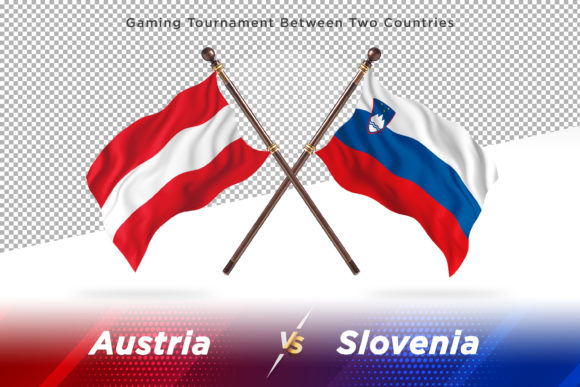
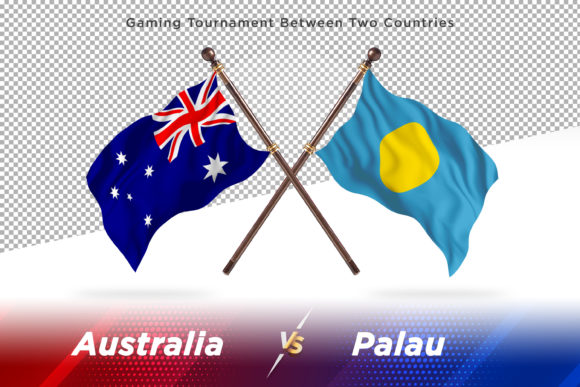
The flag of Austria is one of the oldest national flags in the world. It consists of three horizontal stripes: red, white, and red. This simple yet striking design is instantly recognizable and deeply rooted in medieval history.
Origins and the Legend of Duke Leopold V
According to tradition, the Austrian flag dates back to the 12th century. During the Siege of Acre in 1191, Duke Leopold V of Austria fought so fiercely that his white tunic was soaked in blood. When he removed his belt, a clean white band remained across the middle. The Holy Roman Emperor was so impressed that he granted the Duke the right to use this red-white-red pattern as his banner. While historians debate the exact accuracy of this story, it remains a core part of Austrian national consciousness and adds a heroic, almost chivalric tone to the flag’s identity.
Symbolism of the Colors
- Red traditionally represents strength, bravery, and the blood shed for freedom.
- White symbolizes peace, honesty, and the eternal snow of the Alps.
Together, the three stripes convey a sense of balance and resilience. For modern Austrians, the flag is a reminder of their long heritage as a crossroads of Europe, from the Habsburg Empire to the present-day republic.
Modern Usage and Cultural Significance
Today, the Austrian flag appears everywhere—from government buildings in Vienna to the ski slopes of Tyrol. It is flown proudly during national holidays like National Day (October 26) and at international events. The flag is also a symbol of Gemütlichkeit—a uniquely Austrian concept of coziness and warmth—often seen draped at festivals, coffee houses, and football matches. The simple design makes it easy to reproduce, and it has become a recognizable icon of central Europe.
The Flag of Palau: An Oceanic Masterpiece of Symbolism
Switching continents, the flag of Palau tells a completely different story—one of emergence from colonial rule, deep connection to the natural world, and a unique cultural identity. Adopted on January 1, 1981, when Palau became a self-governing republic, this flag is a stunning example of minimalist design packed with meaning.
Design Elements
The Palauan flag features a light blue field with a large golden-yellow disc placed slightly off-center toward the hoist side. The blue represents the Pacific Ocean that surrounds this small nation, while the yellow disc is the full moon. This is not just any moon—it is a symbol of peace, community, and traditional Palauan life.
Why the Moon?
In Palauan culture, the moon is a symbol of tranquility and unity. Traditionally, the full moon marked the time for important community activities: planting, fishing, festivals, and storytelling. Unlike many national flags that use the sun to represent power or ambition, Palau’s flag uses the moon to reflect values of harmony, reflection, and continuity. It is a deliberate choice that sets the country apart from most other nations.
Overcoming Common Misunderstandings
Some viewers mistakenly think the yellow disc is the sun. However, Palau’s flag designers specifically chose the moon. The position of the disc—not perfectly centered—is also intentional. It suggests the moon rising over the horizon, evoking the idea of a new dawn for an independent nation. This off-center placement adds dynamism and a sense of gentle movement, much like the tides.
Austria Versus Palau: A Comparative Look at Two Flags
Now that we understand each flag individually, let’s bring them together. The comparison is illuminating and reveals how geography, history, and values shape national symbols.
Visual Contrasts
| Aspect | Austria | Palau |
|---|---|---|
| Colors | Red and white | Light blue and gold |
| Pattern | Three horizontal stripes (tricolor) | Single disc on a plain field |
| Primary symbolism | Bravery, peace, heritage | Ocean, moon, community, rebirth |
| Historical context | Medieval legend, imperial legacy | Post-colonial independence, Pacific identity |
What Each Flag Says About Its Country
- Austria: A landlocked European nation with a long history of empire, music, and diplomacy. The flag’s bold stripes reflect a culture that values order, tradition, and quiet confidence.
- Palau: A small island nation of about 18,000 people in the western Pacific. Its flag emphasizes connection to nature, communal harmony, and a peaceful future away from colonial pasts.
The differences highlight how geography influences identity: Austria’s flag is about land, history, and human achievement; Palau’s is about sea, sky, and natural cycles.
Broader Context: Flags in Modern Life, Travel, and Education
Understanding the Austria Versus Palau comparison goes beyond trivia. It helps travelers, business professionals, and students appreciate the deeper layers of national identity. When you see the Austrian flag at an international conference, you are seeing a symbol of central European stability and cultural depth. When you see the Palauan flag at a UN meeting or a climate summit, you are seeing a small island nation advocating for environmental preservation and self-determination.
Practical Relevance in Daily Life
- Travel and Tourism: Knowing the meaning behind a flag enriches your travel experience. Visiting Vienna’s Hofburg Palace with the story of Duke Leopold in mind adds a layer of historical imagination. Diving in Palau’s Rock Islands while understanding the moon symbol deepens your appreciation of local culture.
- Business and Diplomacy: For professionals working in international trade or NGOs, recognizing the significance of both flags fosters respect and better communication. For instance, Palau’s flag often appears in discussions about climate change, while Austria’s flag is linked to alpine exports and high-tech industry.
- Education and Creativity: Teachers can use the Austria Versus Palau example to explain contrasting national narratives. Artists and designers study both flags as case studies in effective symbolism: one based on simplicity and contrast, the other on evocative placement and color.
Common Assumptions Corrected
Many people assume that all flags with a moon represent Islam, but Palau’s flag is a counterexample—its moon is purely cultural and natural, not religious. Similarly, the Austrian flag might be confused with the flags of Latvia or Peru by beginners, but the proportions and legends are distinct. By studying both side by side, readers build a more nuanced vocabulary for interpreting visual symbols.
Why Both Flags Matter Today
In a world of increasing globalization, flags remain potent identity markers. They are used in sports (the Austrian ski team vs. Palau’s athletes at the Olympics), in social media emojis, and in branding. They also appear in intercultural dialogues: when Austrian diplomats discuss renewable energy with Palauan officials, the two flags side by side represent a meeting of land and sea, of ancient history and emerging future.
The Helpful Content Perspective: E-E-A-T in Flag Studies
This article follows E-E-A-T (Experience, Expertise, Authoritativeness, Trustworthiness) by offering factual historical context, visual analysis, and cultural insight. It avoids oversimplification and respects the unique narratives of both nations. For general readers, the goal is to build a broader understanding that flags are not static emblems but living stories that evolve with their countries.
Key Takeaways: What We Learn from Austria and Palau
- Flags are intentional: Every color, shape, and position has a reason—even if that reason is a medieval legend or a community’s connection to the moon.
- Geography shapes symbolism: Austria’s land-based history and Palau’s oceanic context lead to very different visual languages.
- First impressions can be misleading: The casual viewer might miss the deeper meanings of the off-center moon or the bloody tunic story. Taking time to learn transforms a flag from a graphic into a gateway.
- Both flags are relevant in modern life: From travel to diplomacy to education, understanding these symbols helps us communicate across cultures.
In the end, the comparison of Austria Versus Palau is not about which flag is better—it is about recognizing that every nation has a unique story to tell. The Austrian flag speaks of centuries of European history, battles, and cultural refinement. The Palauan flag whispers of ocean currents, moonlit gatherings, and the peaceful emergence of a small island republic. Both deserve our attention and respect.
Next time you see these flags waving—whether on a government building, at an embassy, or on a travel blog—you will know they are not just designs. They are doorways into two distinct worlds, waiting to be explored.